Red Light Therapy: What the Science Actually Says
An evidence-based breakdown of what red light therapy research actually supports, from wound healing to weight loss, separating science from marketing hype.

Justin Angeles
· 4 min read
In the early 1990s, NASA scientists growing plants under red LEDs noticed something strange. Cuts on their hands were healing faster than normal.
They ran experiments. Skin and muscle cells exposed to red and near-infrared LED light grew 150 to 200 percent faster than control groups. They gave LED devices to U.S. Navy crews treating training injuries. The results: 40% greater improvement in musculoskeletal injuries and 50% faster healing time for lacerations.
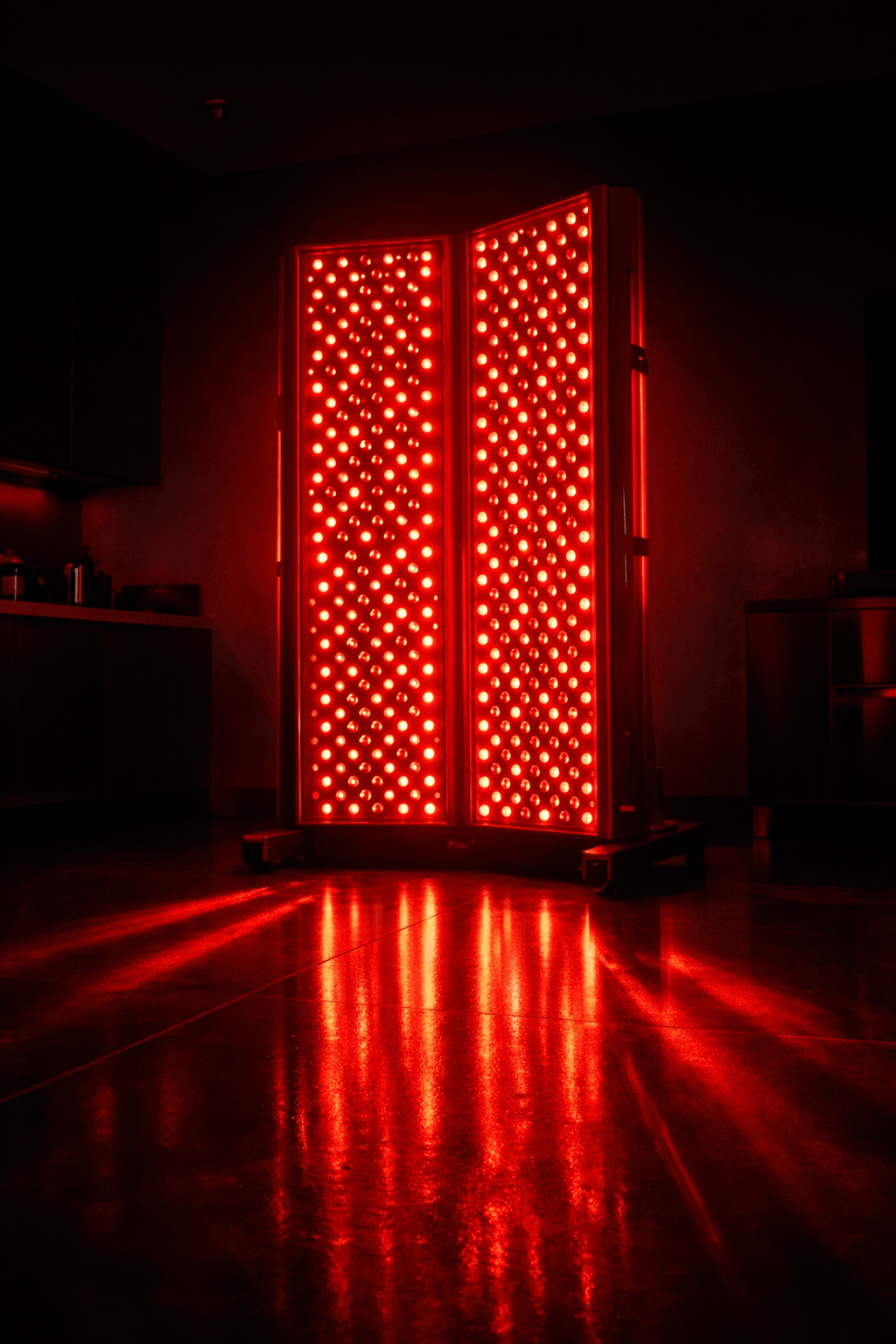
That was the beginning. Now it's a $590 million industry projected to hit $1.32 billion by 2031. Red light therapy panels are in spas, gyms, biohacking clinics, and Amazon bestseller lists. Your Instagram feed probably shows someone standing in front of one right now.
I work at a tanning spa. We have red light beds. Clients ask me about it constantly. So I went through the research. Here's what it actually says.
How It Works
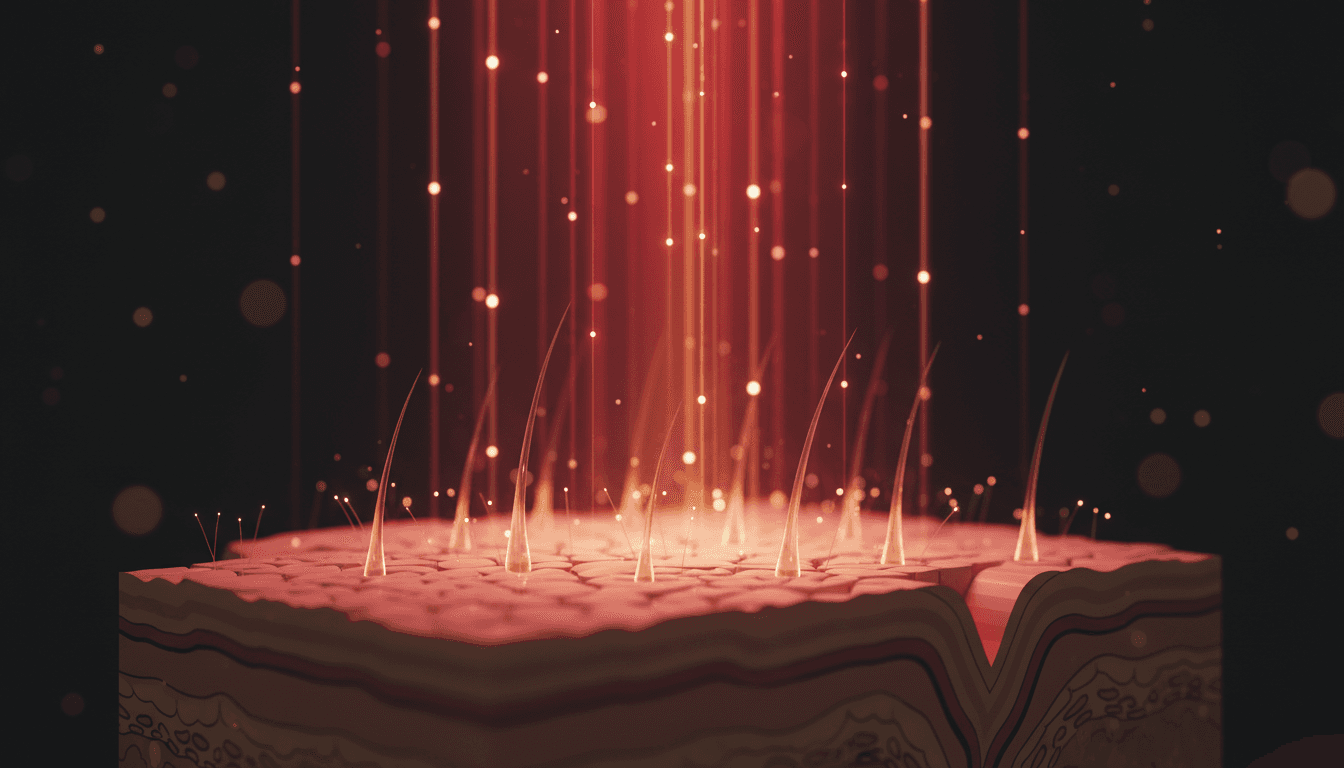
Red light (wavelengths around 630-670nm) and near-infrared light (810-850nm) penetrate your skin and get absorbed by mitochondria, the power generators inside your cells. This stimulates a protein called cytochrome c oxidase, which increases ATP production. More ATP means more cellular energy. More cellular energy means faster repair, less inflammation, more collagen.
That's not a wellness trend. That's biochemistry.
The question is whether the mechanism translates to real results in real people.
Where the Evidence Is Strong
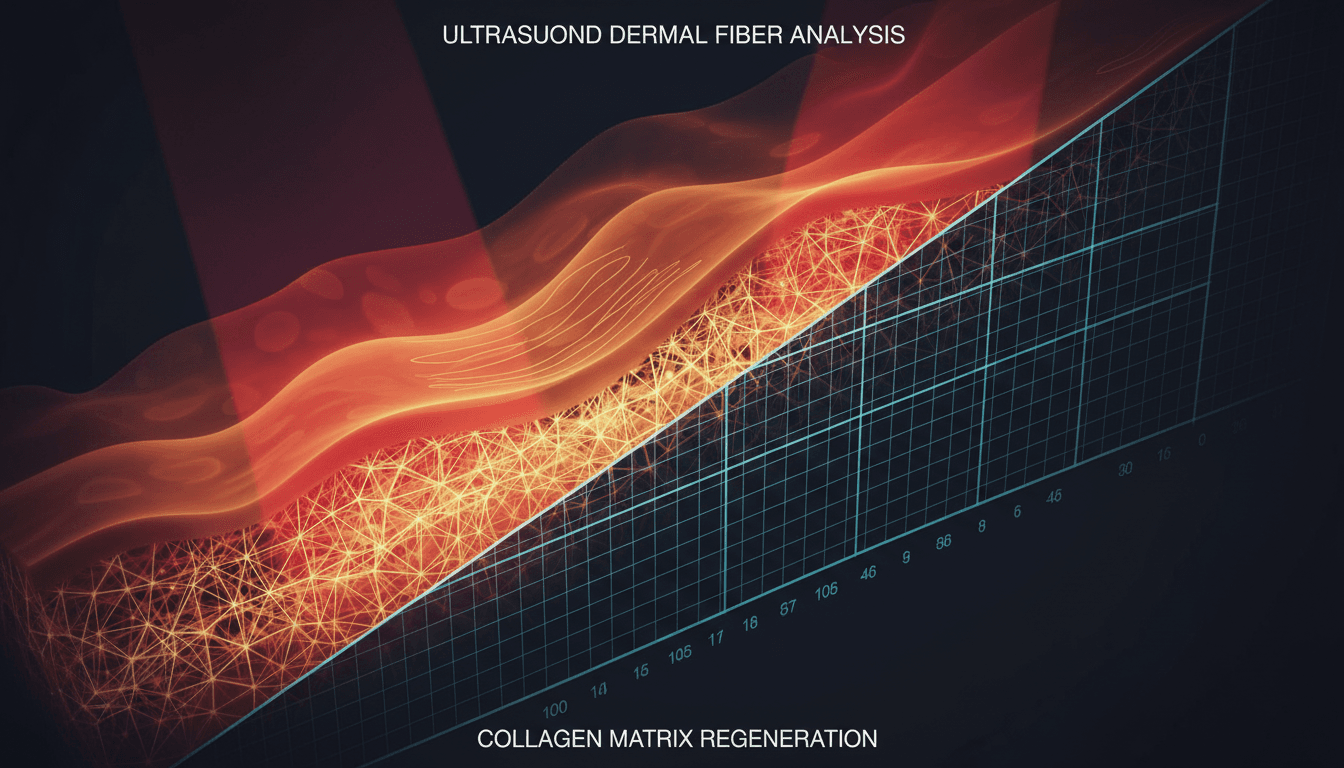
Skin rejuvenation and collagen. This is the best-studied use. In 2014, Alexander Wunsch ran a controlled trial with 136 volunteers. Thirty sessions of red light therapy produced measurable wrinkle reduction in over 90% of participants. Maximum wrinkle depth decreased by 36%. Skin elasticity improved by up to 19%. A separate study showed a 31% increase in type-1 procollagen production. Stanford Medicine confirmed it in 2025: "Hair regeneration and wrinkle reduction have fairly robust evidence."
Wound healing. This is where it started and where the data is strongest. Multiple studies show red light increases fibroblast proliferation, stimulates blood vessel formation, and accelerates collagen synthesis. The NASA Navy study isn't an outlier. A 2024 meta-analysis on diabetic foot ulcers found red light enhanced arterial blood flow and accelerated healing time compared to standard care.
Pain and inflammation. A 2025 umbrella review of randomized clinical trials found moderate evidence for pain reduction, with the strongest results in fibromyalgia and osteoarthritis. The fibromyalgia improvements exceeded the threshold for a "large effect." A separate 2025 expert consensus panel confirmed photobiomodulation is safe and does not induce DNA damage.
Where the Evidence Is Weak
Weight loss. Cleveland Clinic says it straight: "There's no scientific evidence to support red light therapy use in weight loss." Some studies show modest, temporary changes around the waist. But no real weight loss. The claims from body sculpting companies are overblown.
Athletic performance. Stanford's 2025 review noted this one "lacks data." Promising studies on muscle recovery exist, but evidence for boosting actual performance is thin.
Energy and mood. Lots of anecdotal reports. Not much controlled research. The mechanisms are plausible. The proof isn't there yet.
The Real Problem
The biggest issue isn't whether red light therapy works. It's that every study uses different wavelengths, different power densities, different treatment durations, and different devices. What works in a clinical setting with medical-grade panels might not translate to the $40 face mask from Amazon.
Stanford put it clearly: "Red light therapy delivered in a clinic will almost always be more powerful than any at-home device."
The 2025 umbrella review concluded with "low-to-moderate certainty of evidence for most endpoints" and called for standardized protocols before widespread clinical adoption. Translation: it probably works for some things, but we're still figuring out the exact recipe.
The Honest Take
Red light therapy isn't snake oil. NASA didn't waste years studying nothing. The collagen data is real. The wound healing data is real. The pain reduction data is promising.
But it's not the miracle cure TikTok sells it as either. It won't melt fat. It won't replace your workout. And the $40 Amazon face mask probably isn't doing what the clinical panels in those studies did.
I tell my clients the same thing I'm telling you. The light works. Just don't let the marketing outshine the evidence.
Go deeper: the 10-part Red Light Therapy series.
Sources
- NASA Spinoff: Medical Uses of Light (opens in new tab)
- Wunsch & Matuschka (2014): Red and Near-Infrared Light Treatment Trial (opens in new tab)
- Stanford Medicine (2025): Red Light Therapy: What the Science Says (opens in new tab)
- 2025 Umbrella Review: Photobiomodulation Health Outcomes (opens in new tab)
- Cleveland Clinic: Red Light Therapy Benefits, Side Effects & Uses (opens in new tab)