Articles
Articles
What I'm learning about tech and AI, business, philosophy, psychology, and health.
39 articles · Page 1 of 3
Article list
Forgetting Is the Brain's Best Feature
Your brain doesn't forget because it's broken. It forgets on purpose. Neuroscience shows that active forgetting is a skill your prefrontal cortex runs every day.
Can't Forget the Crash. Can't Remember Your Lines.
Same hormone. Same system. Opposite effects. Cortisol burns in the traumatic memories you can't shake and locks you out of the information you need most.
Why You Can't Remember Being Three
Most adults can't recall anything before age 3. Not because infant brains can't make memories, but because new neurons keep overwriting the old ones.
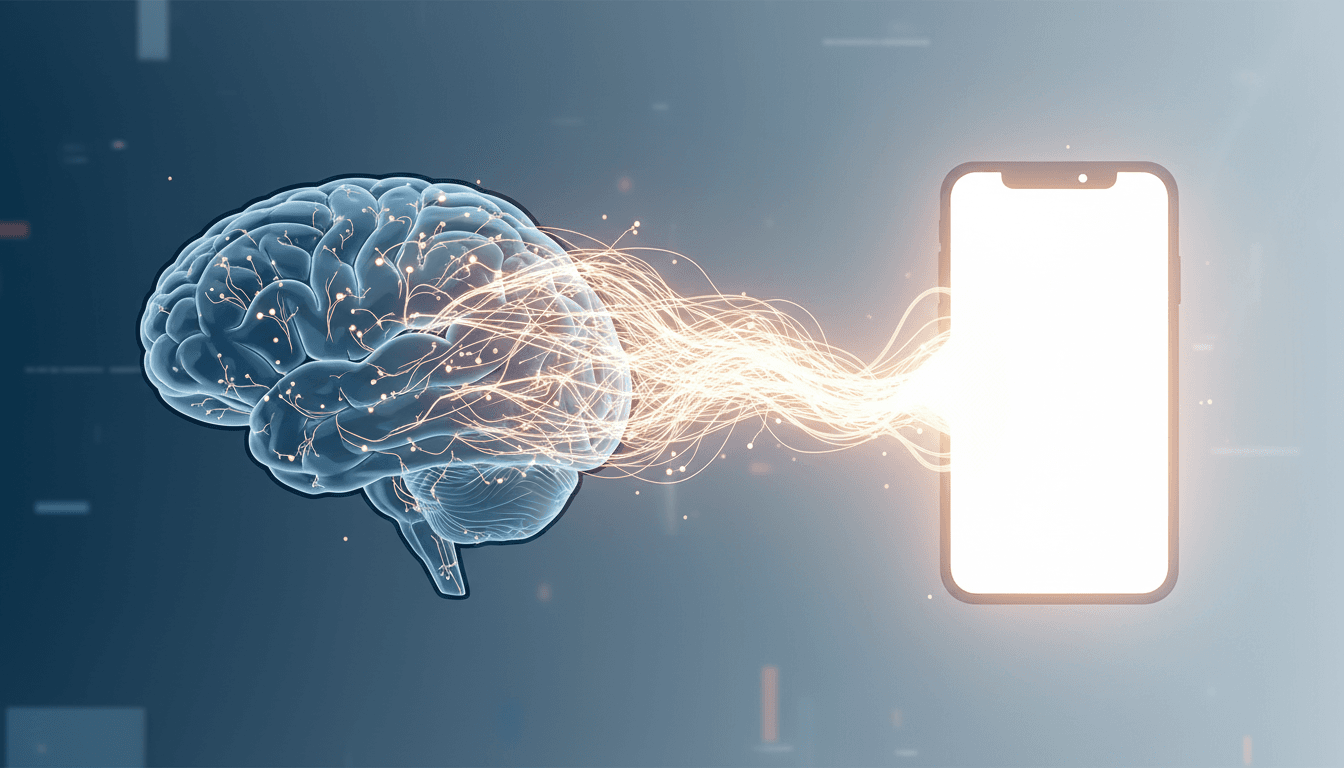
The More Your Phone Remembers, the Less You Do
We stopped memorizing phone numbers around 2007. Then directions. Then facts. The internet became our external hard drive, and our internal one is shrinking.
You've Never Used Your Full Memory
The world's top memory athletes have ordinary brains. A Radboud University study trained regular people to near-elite recall in 40 days using a 2,500-year-old technique almost nobody uses.
Nostalgia Isn't Sentimental. It's Medicine.
Nostalgia was once classified as a disease. Swiss soldiers were discharged for it. Now research shows it boosts optimism, reduces anxiety, and gives your brain a reason to keep going.
Without Memory, There Is No You
Clive Wearing lives in 30-second loops. He can't remember his past or form new memories. But he still plays piano. He still loves his wife. What does that say about who we really are?
Rejection Literally Hurts
Your brain processes a breakup using the same neural hardware as a broken bone. A physical painkiller can reduce the sting of social exclusion. This isn't a metaphor.
Your Brain Has a Volume Knob for Pain
Some people experience more pain from identical injuries. The biggest predictor isn't tissue damage. It's a measurable thinking pattern called catastrophizing, and it can be unlearned.
93% of Teachers Believe a Myth
The idea that you're a 'visual learner' or 'auditory learner' is one of the most widely believed claims in education. Decades of research say it's wrong.
Your Brain Needs to Forget Before It Can Remember
Hermann Ebbinghaus proved in 1885 that you lose 56% of new information within an hour. That's not a bug. It's how durable memory gets built.
Stop Rereading. You're Just Feeling Smart.
Every time you reread your notes and feel confident, you're confusing familiarity with knowledge. Retrieval practice is the mechanism of real learning, and the research is embarrassingly clear about this.
The Worse You Practice, the Better You Learn
Robert Bjork's 'desirable difficulties' framework explains why the learning strategies that feel the smoothest produce the least durable results, and why struggle is the actual signal of progress.
Your Brain Learns Better When It Feels Like It's Failing
Mixing different skills in practice feels chaotic and slow. It also produces dramatically better learning than the organized repetition everyone defaults to.
10,000 Hours of What, Exactly?
Malcolm Gladwell made the 10,000-hour rule famous. The psychologist whose research he based it on spent years saying he got it wrong.
Experts Don't Think Harder. They See Different.
In 1973, researchers proved chess masters don't have better memory. They have better patterns. That discovery explains how expertise actually works in every field.
Failing Before You're Taught Is the Best Way to Learn
Two separate lines of research arrived at the same uncomfortable conclusion: struggling with a problem you can't yet solve makes you learn the solution better than just being told it.