Articles
Articles
What I'm learning about tech and AI, business, philosophy, psychology, and health.
26 articles · Page 1 of 2
Article list
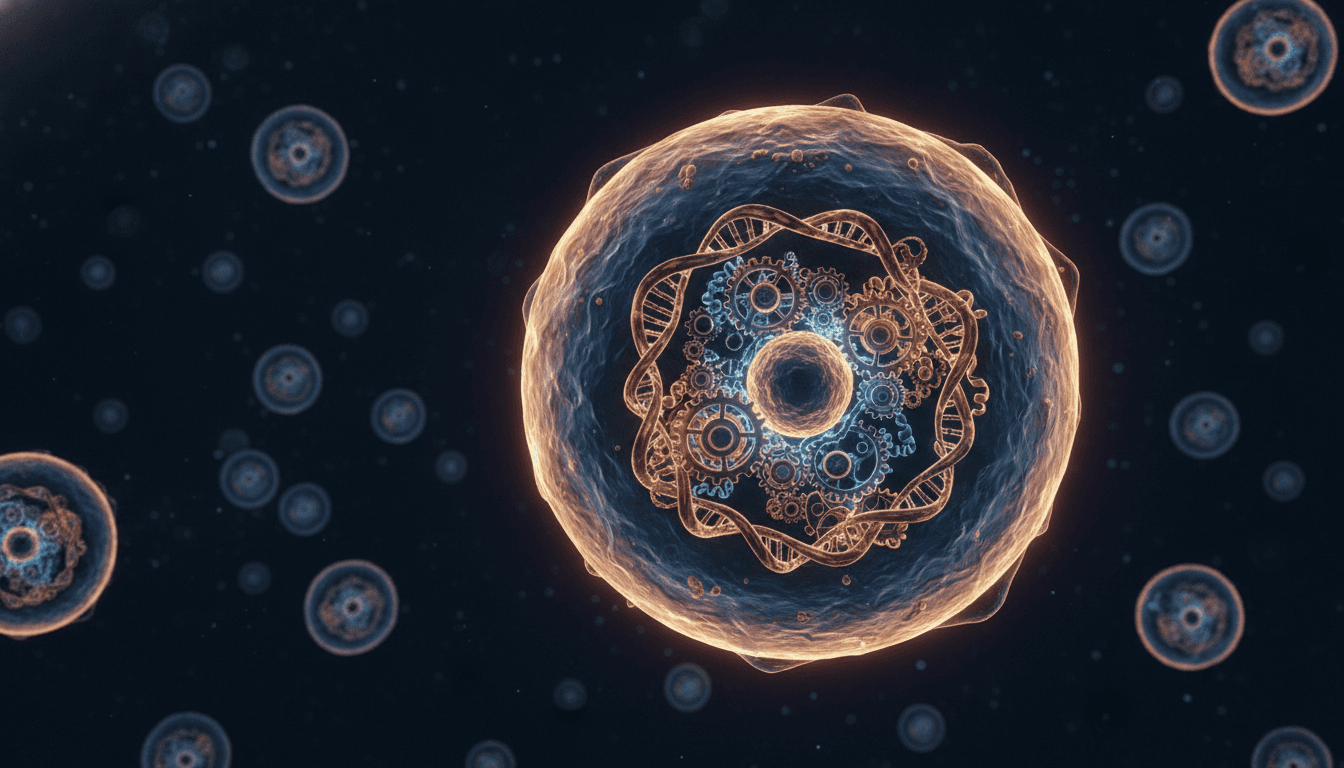
The Molecular Gears: How a Single Cell Keeps Time
Three scientists won a Nobel Prize for figuring out how cells tell time. The answer is a feedback loop so elegant it runs in nearly every cell in your body.
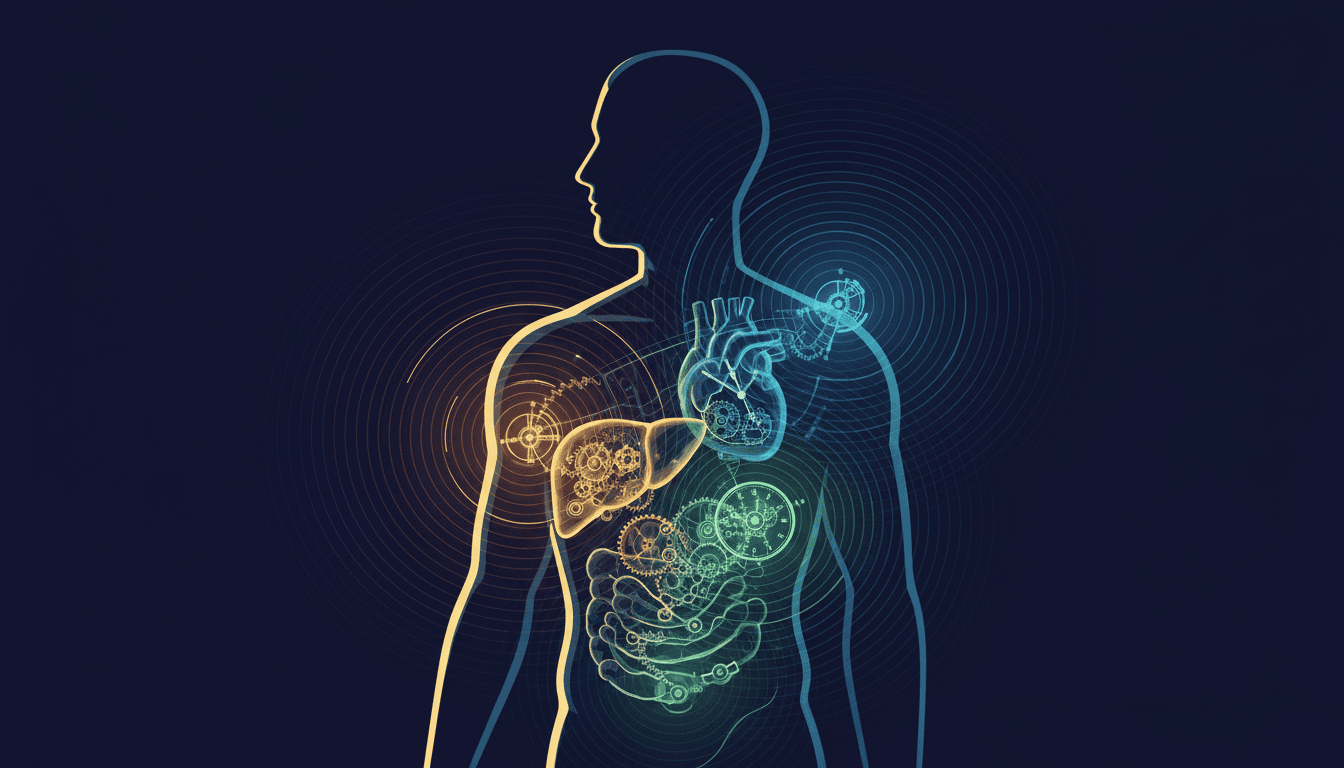
Your Liver Doesn't Know What Time Zone You're In
Every organ in your body keeps its own time. When those clocks disagree, the consequences go far beyond feeling tired.
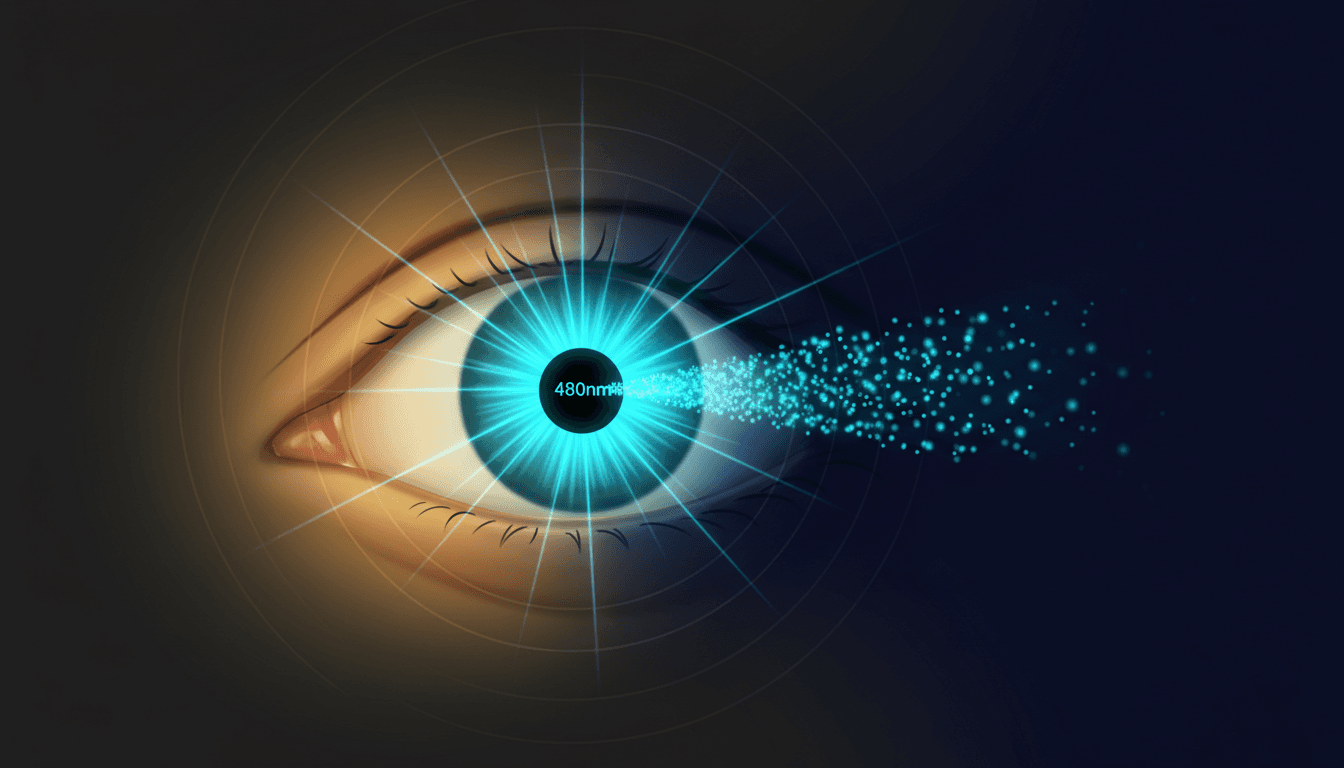
Light Is a Drug You Take Through Your Eyes
In 2002, scientists discovered a hidden photoreceptor that doesn't help you see. It tells your body what time it is. You're dosing it wrong every single day.
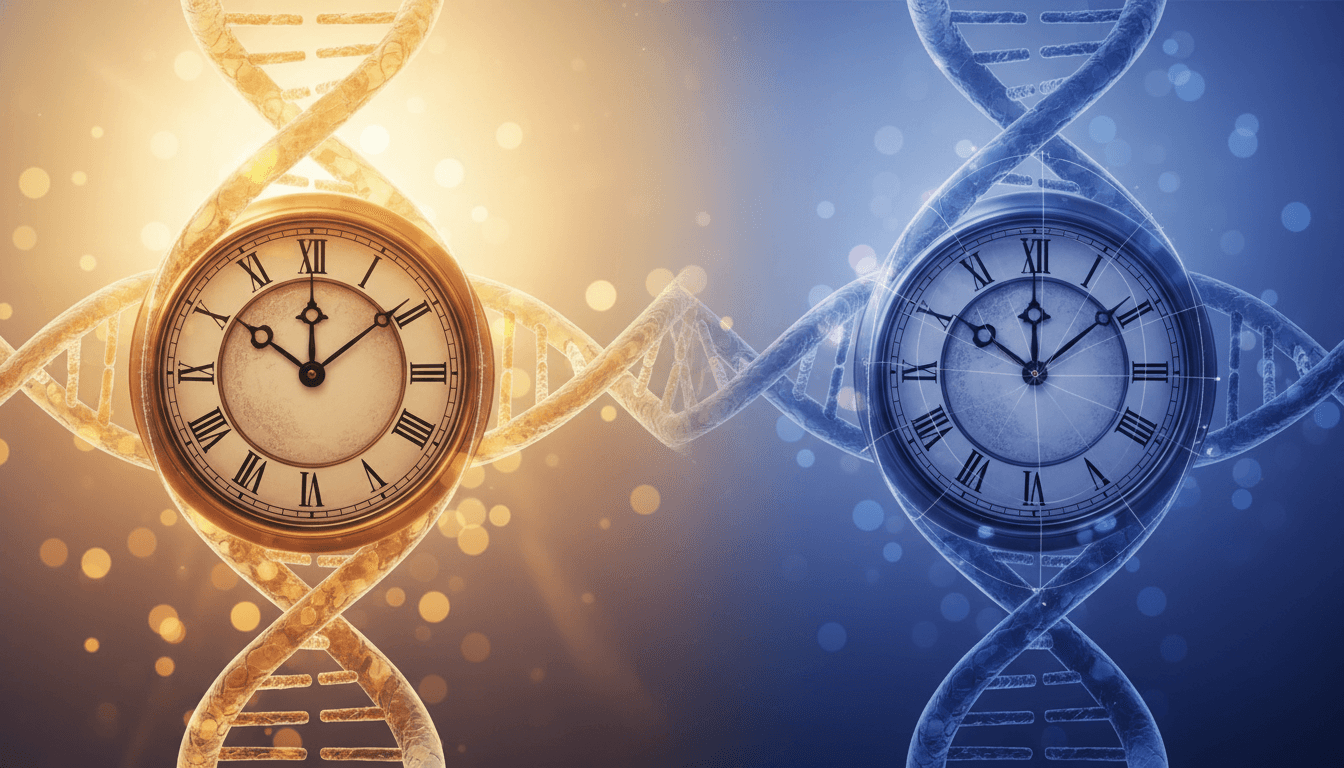
Your Chronotype Isn't a Choice: You're Being Punished for Your Genetics
Whether you're a morning person or night owl is written into your DNA. Society treats one as virtuous and the other as lazy. The science says that's discrimination.
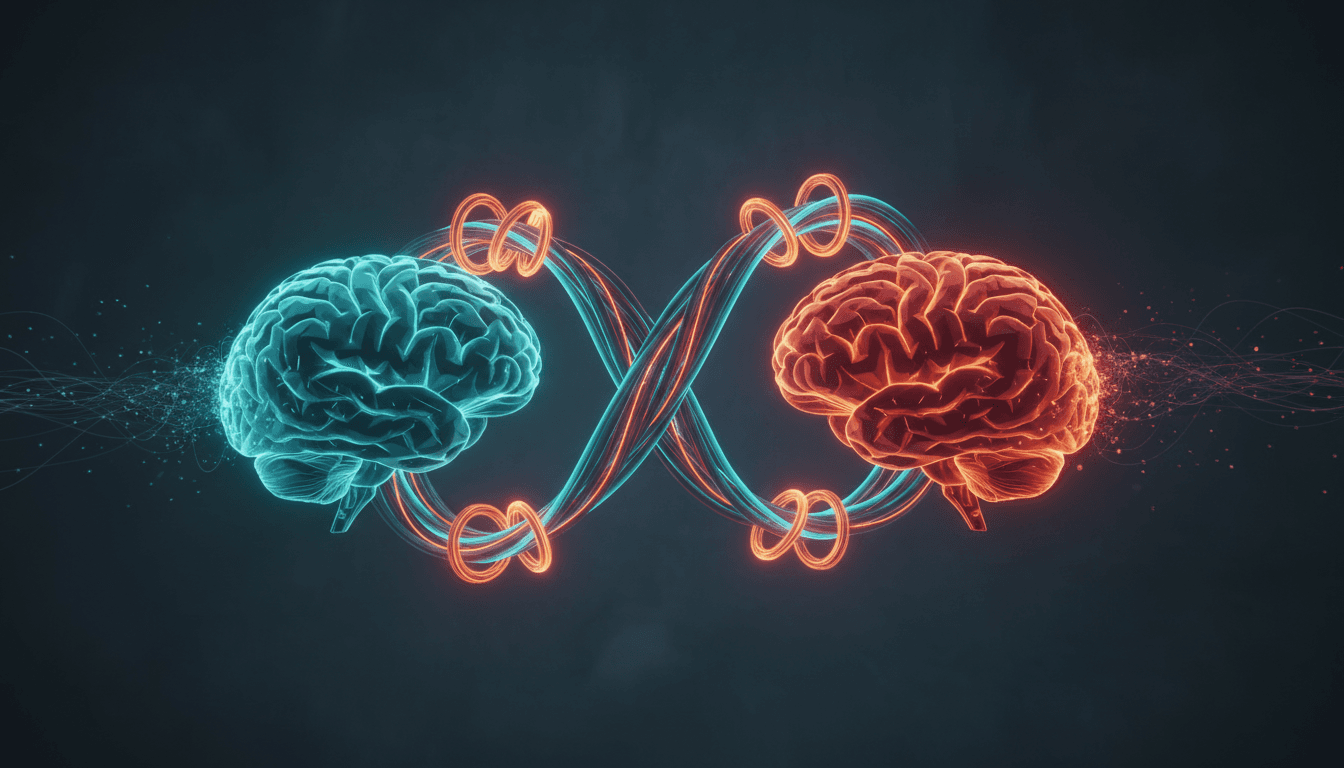
Your Brain Learned Chronic Pain Like It Learned Your Name
A Northwestern brain imaging study predicted who would develop chronic pain with 85% accuracy, and the answer had nothing to do with their injuries.
Fake Surgery Works
In 2002, a surgeon proved that pretending to operate on arthritic knees worked just as well as actually operating. The implications for how we understand pain are staggering.
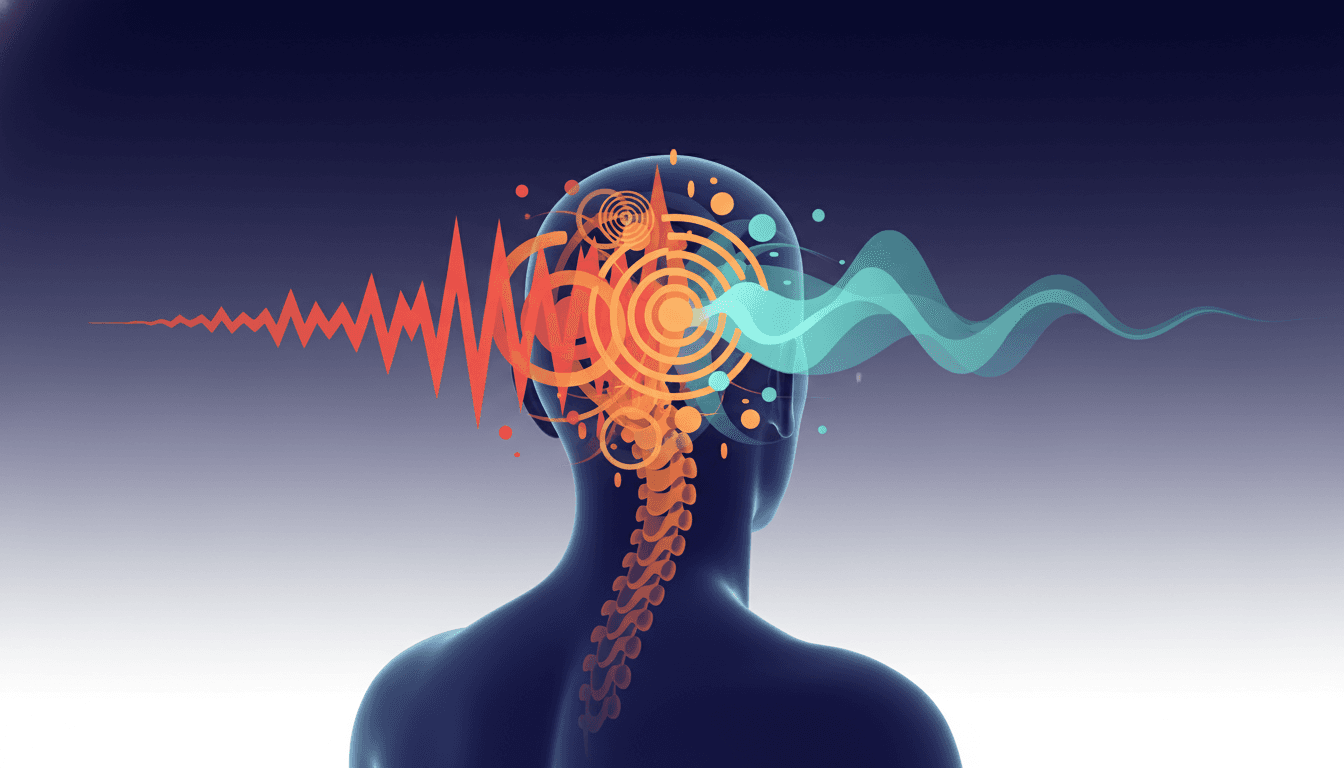
Words That Wound: How Language Changes Pain
A saline injection relieved real pain because a doctor said it would. The words activated the brain's own opioid system. If pain is a prediction, language is one of the most powerful things that can rewrite it.
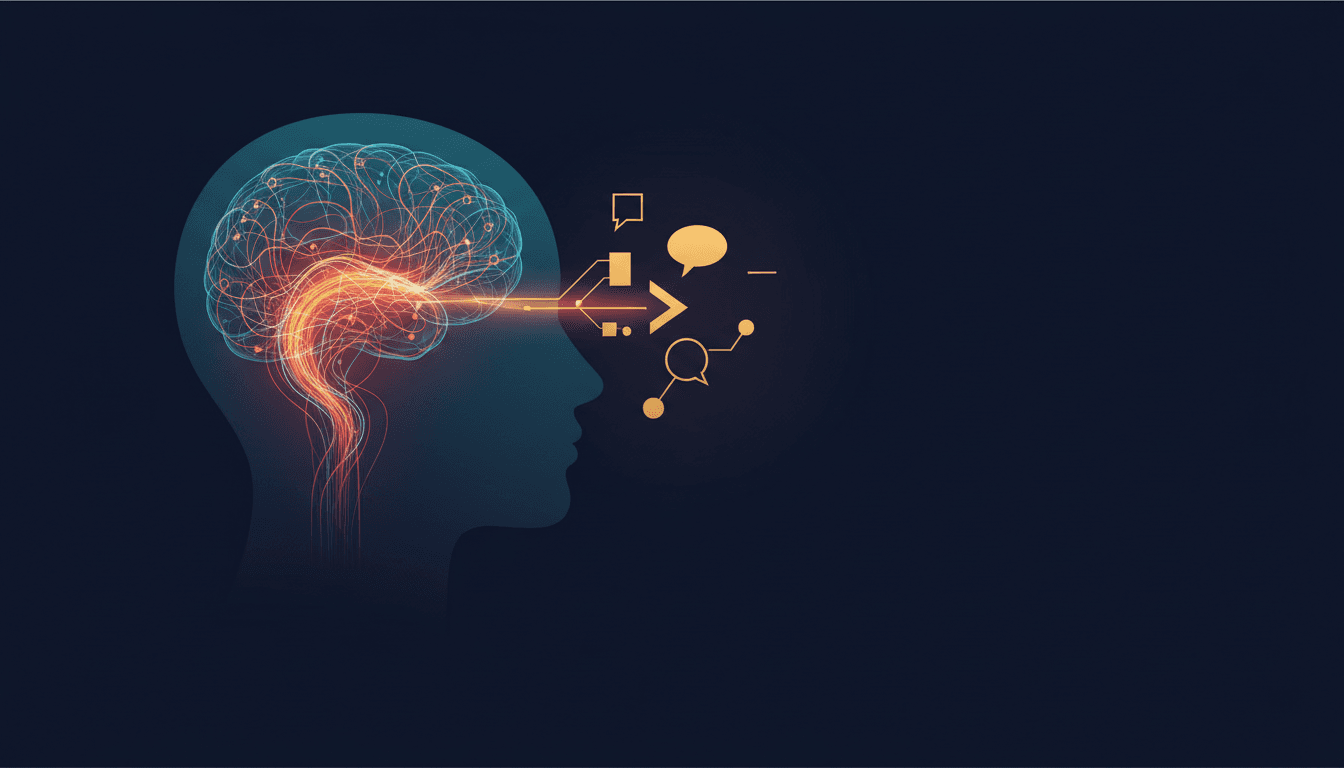
Teaching People Their Pain Away
A single neuroscience lecture can reduce chronic pain. Not drugs, not surgery. An explanation.
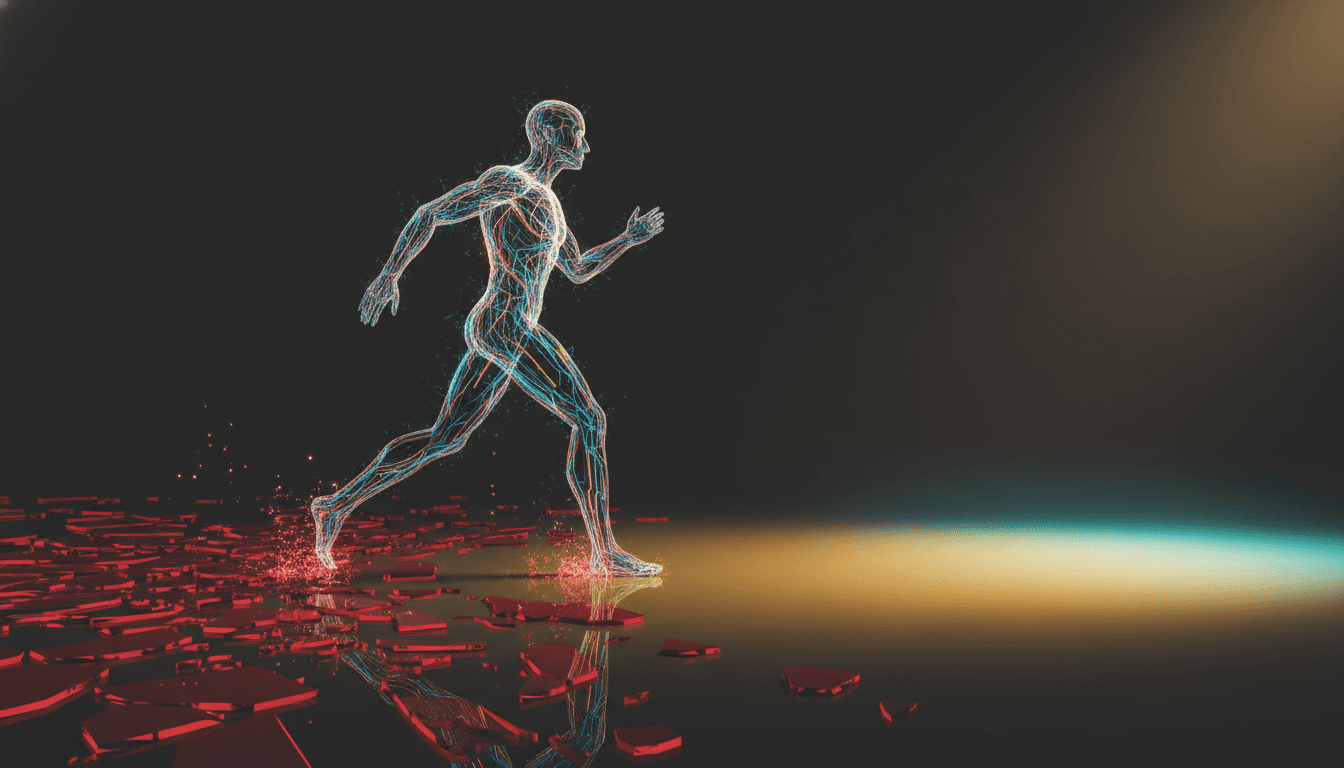
The Best Painkiller Is the One That Hurts
Exercise reduces pain as effectively as drugs. But for chronic pain patients, movement itself triggers the alarm. The fix is teaching your brain that motion isn't danger.
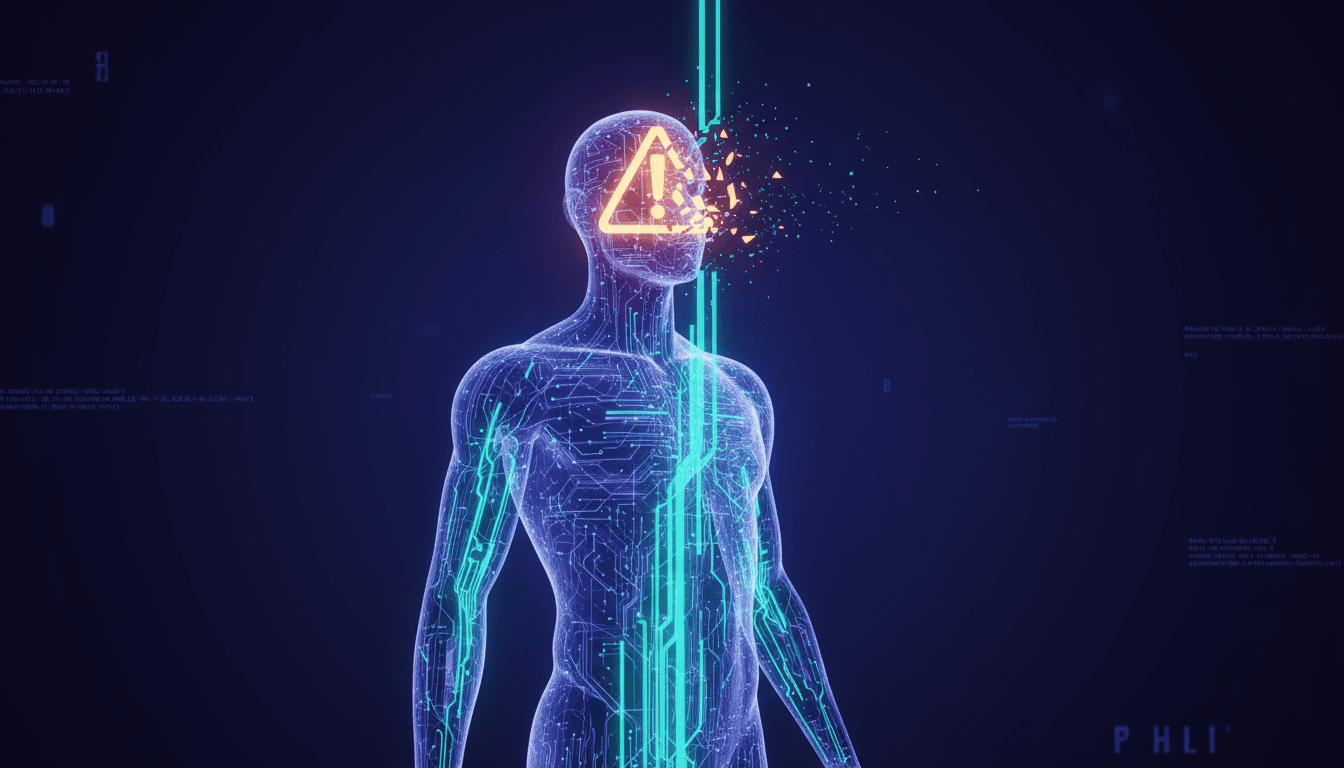
Debugging the Pain Program
For 41 years, the official definition of pain was wrong. The fix points to a future where we treat chronic pain by rewriting the brain's predictions, not replacing body parts.
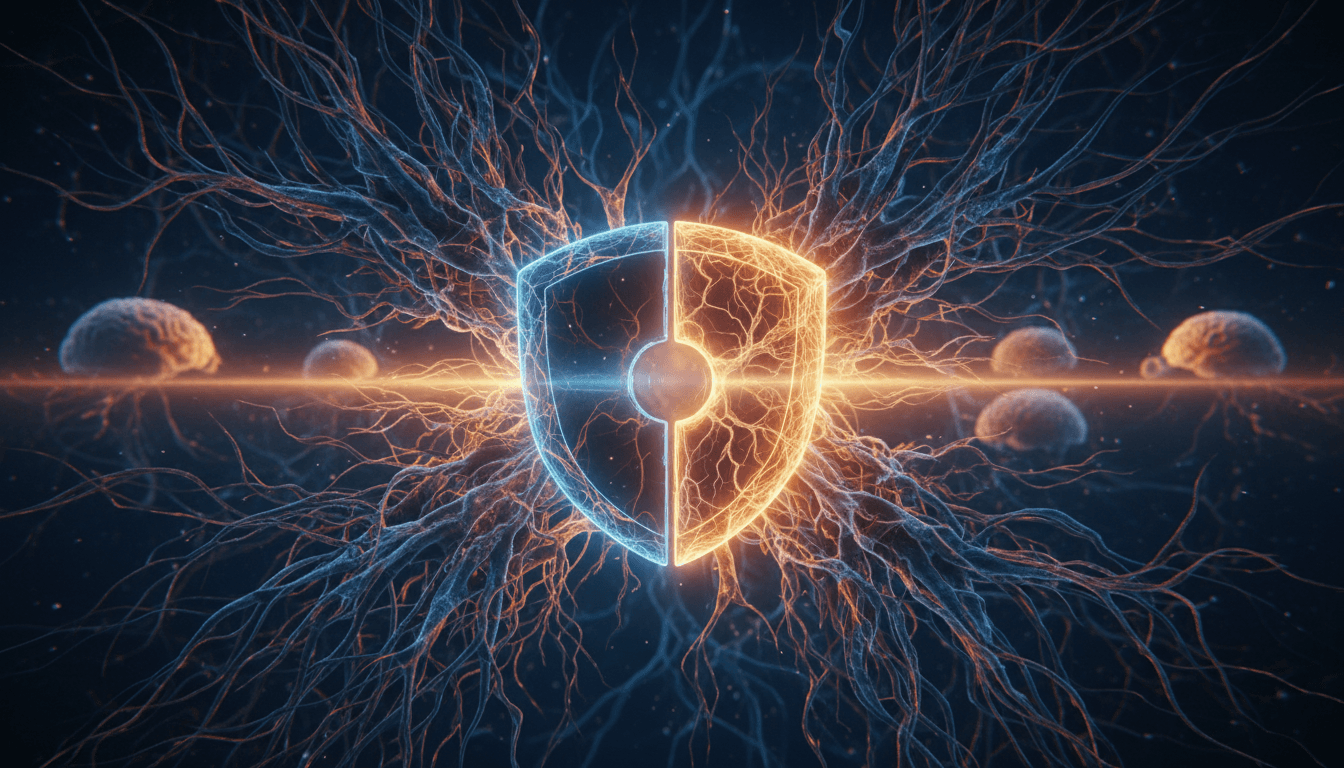
There Are No Pain Receptors
Your body doesn't have pain receptors. It has danger detectors. The difference between those two things explains almost everything about chronic pain, phantom limbs, and why a soldier can take a bullet and feel nothing.
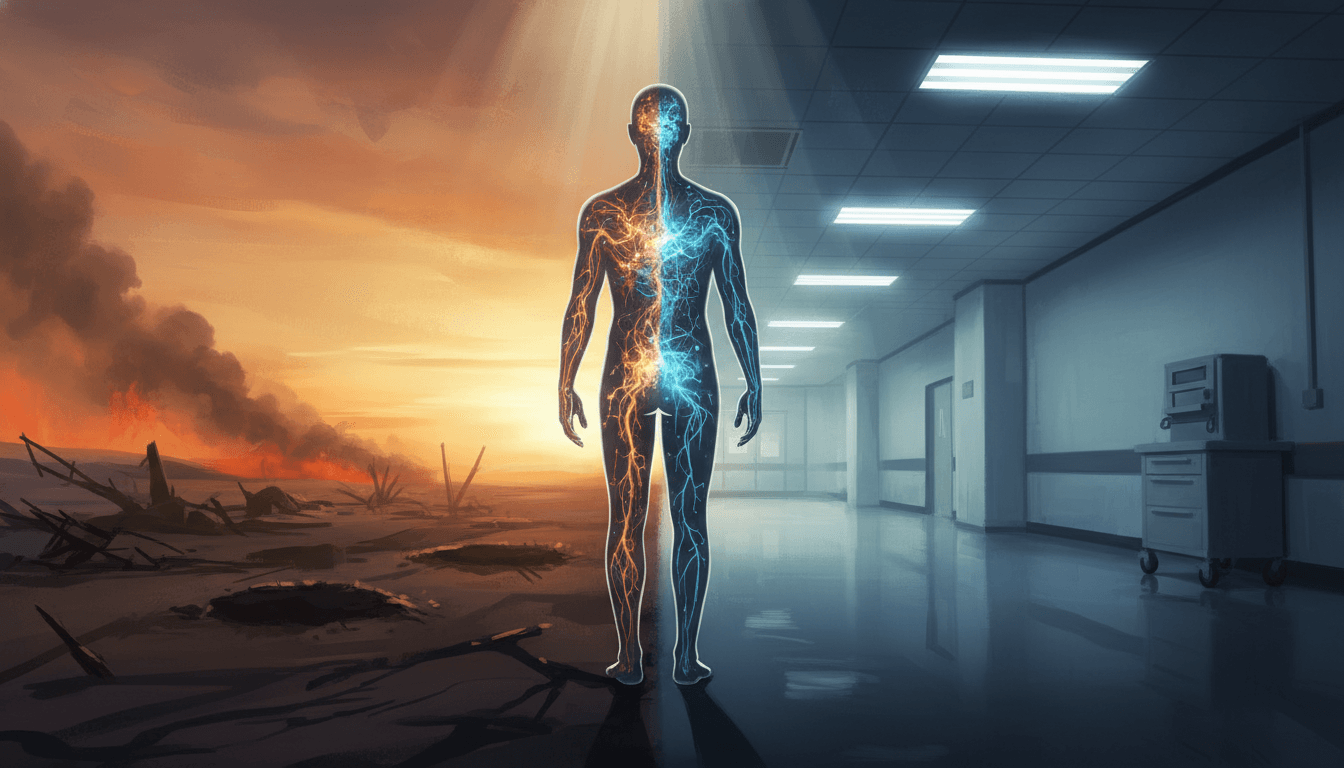
Three-Quarters of Soldiers With Major Wounds Didn't Want Morphine
In 1946, an Army doctor discovered that soldiers with devastating injuries reported less pain than civilians with minor surgeries. The reason rewrites everything you think you know about how pain works.
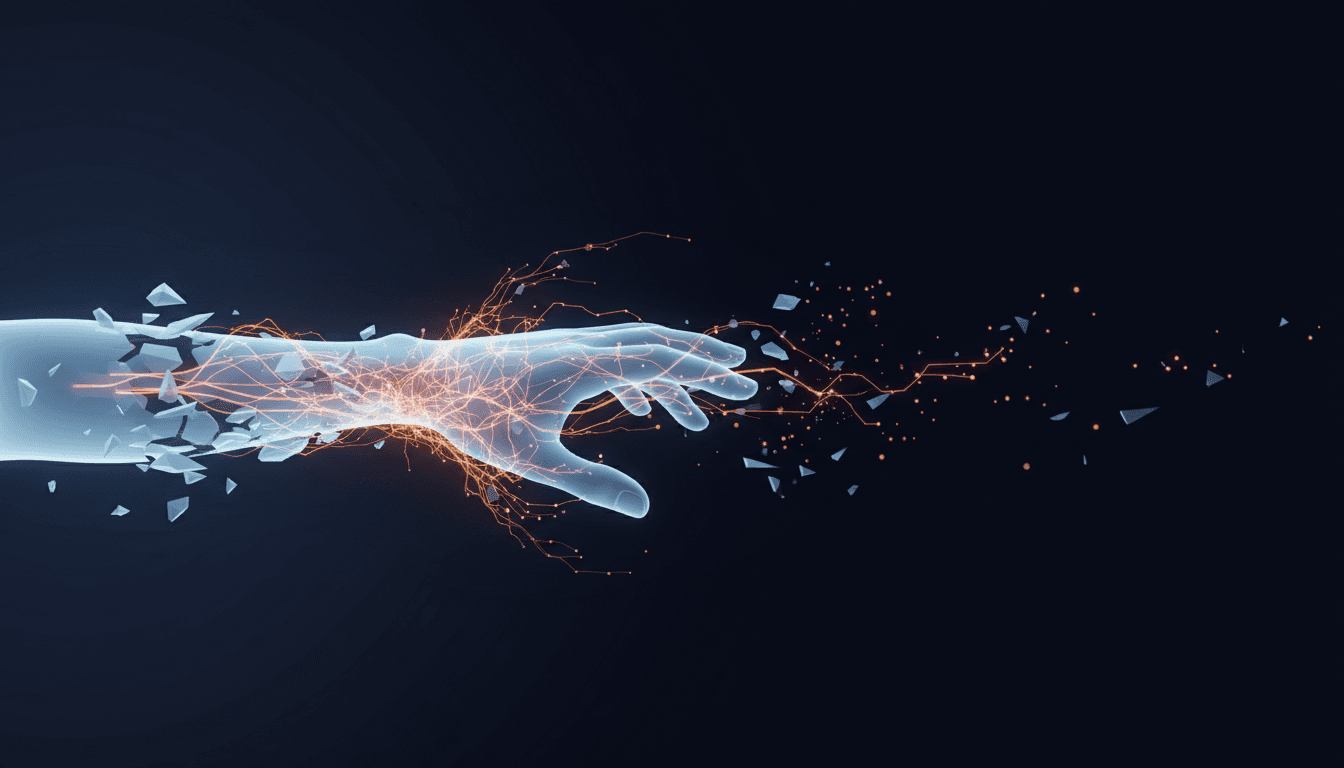
The Limb That Isn't There Still Hurts
80% of amputees feel a limb that no longer exists. 50-80% feel pain in it. Phantom limb research is the clearest proof that pain is built by the brain, not reported by the body.
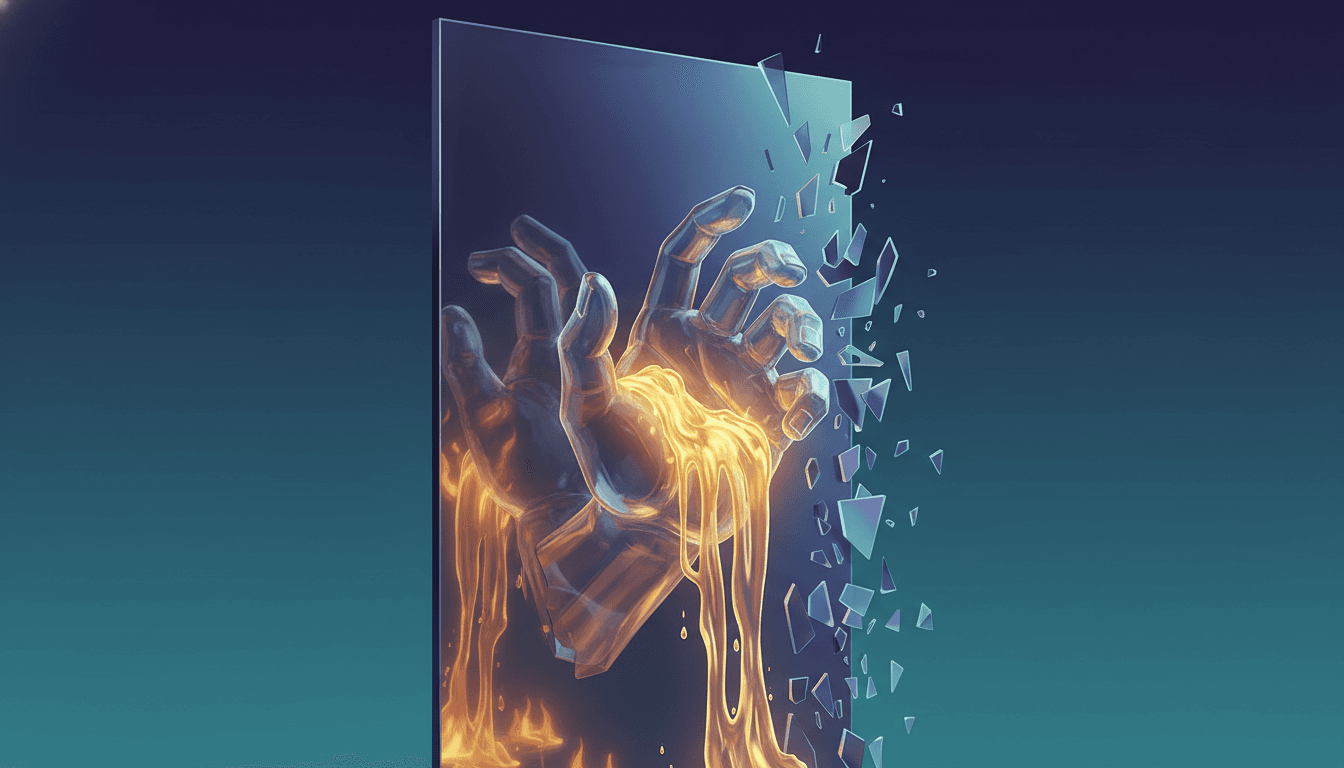
A Ten-Dollar Mirror That Cured Phantom Pain
V.S. Ramachandran placed a mirror on a table and tricked the brain into releasing a fist that didn't exist. What happened next rewrote our understanding of how pain works.
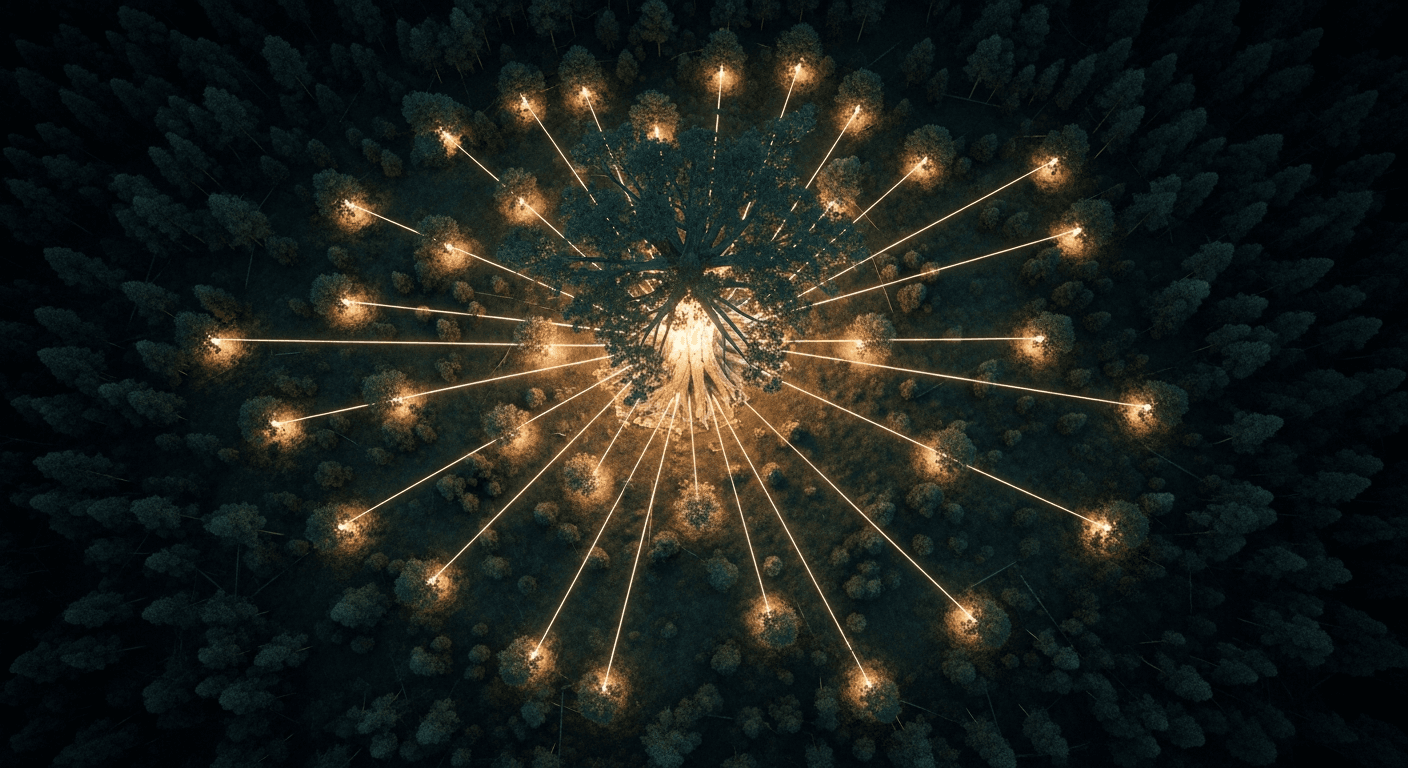
Suzanne and the Forest's Hidden Hubs
Suzanne Simard's 1997 experiment changed how ecologists think about trees. Not because forests are sharing economies. Because they have hubs.
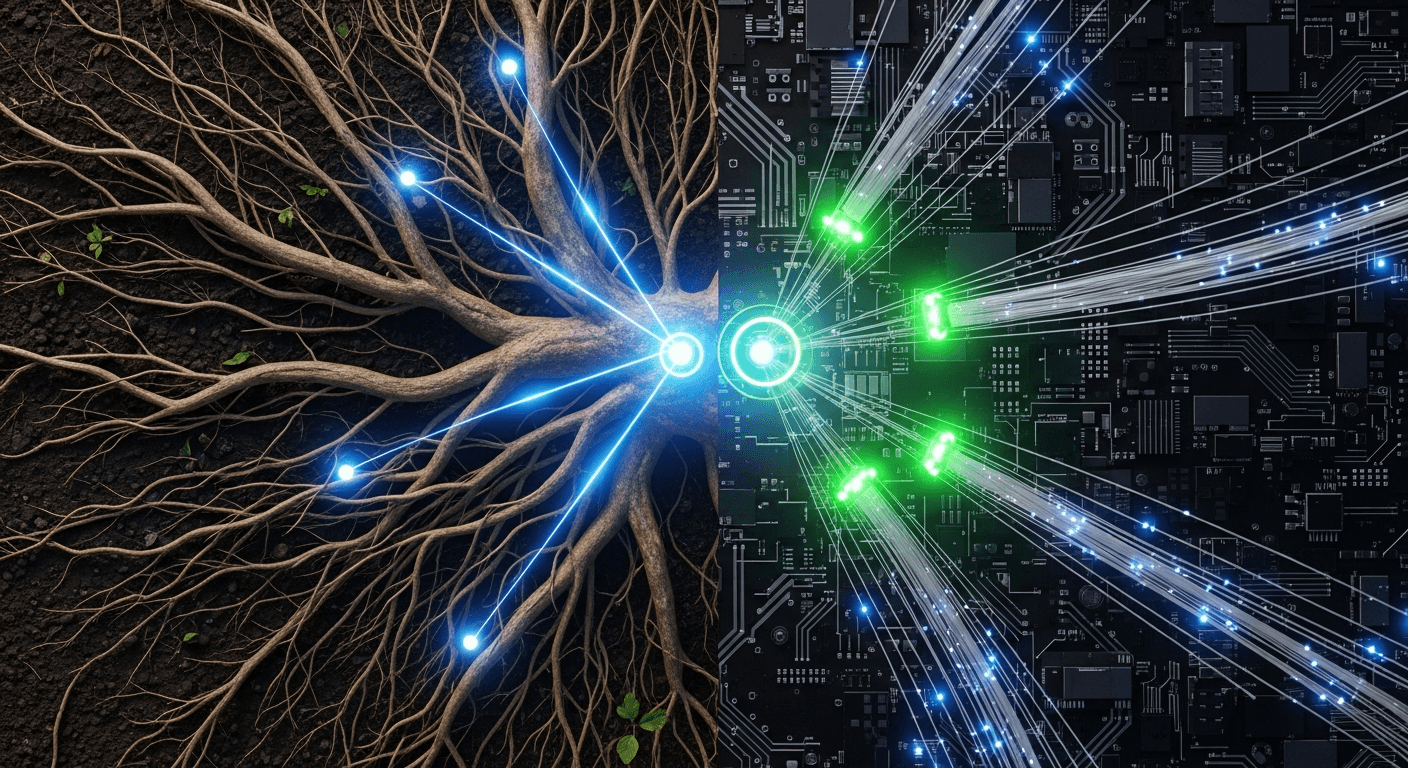
Why Forest Networks and the Internet Have the Same Shape
Nodes, edges, hubs, redundancy, adaptive routing. Both systems evolved the same architecture independently. That's not a metaphor. That's convergent engineering.
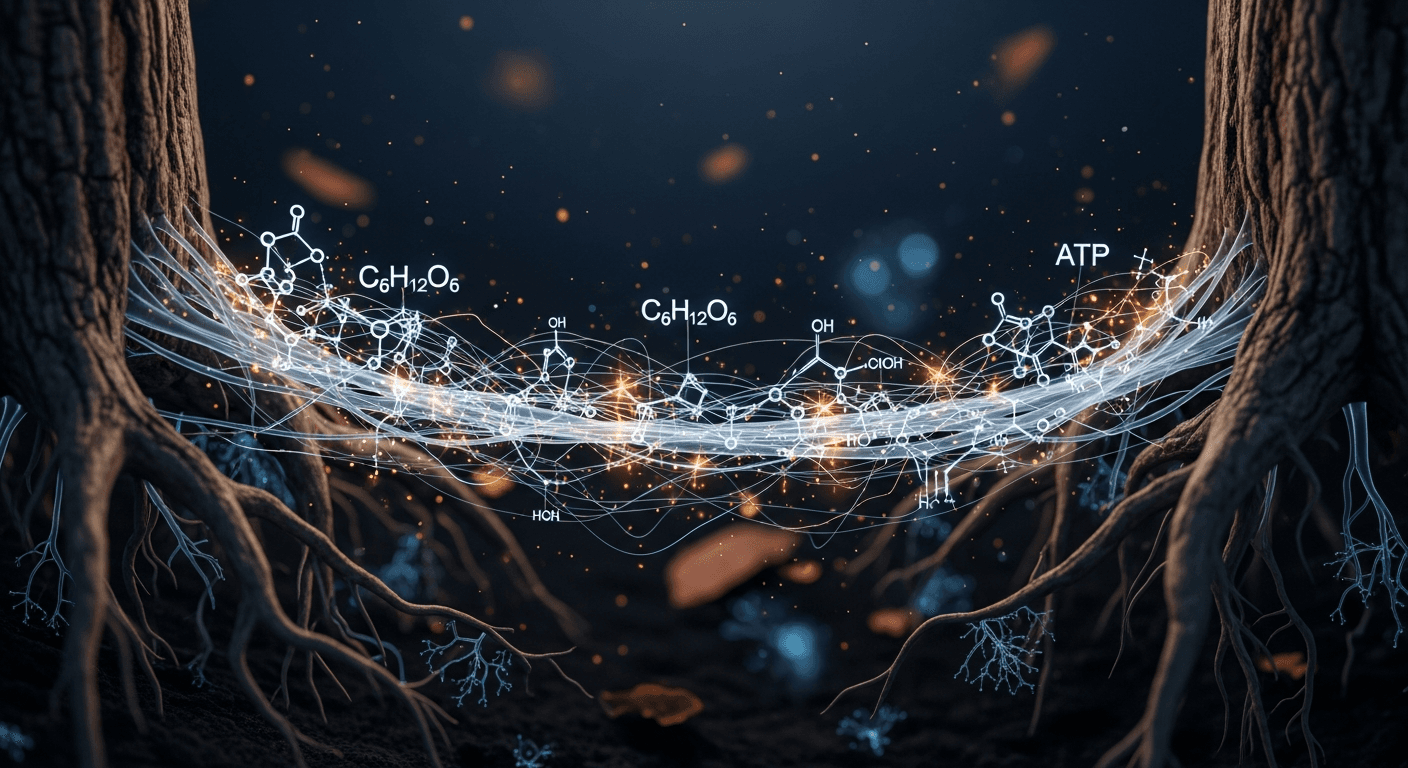
Trees Don't Actually Talk... Or Do They?
Plants exchange defense signals, carbon, and possibly electrical spikes through shared fungal networks. It's not language. But it's not nothing either.