Articles
Articles
What I'm learning about tech and AI, business, philosophy, psychology, and health.
121 articles · Page 6 of 7
Article list

You Can Train Your Stress Response Like a Muscle
Navy SEALs, Olympic athletes, and emergency surgeons all share a secret: they don't eliminate stress. They practice it. Controlled exposure to manageable stress builds tolerance for the real thing.
There Are No Pain Receptors
Your body doesn't have pain receptors. It has danger detectors. The difference between those two things explains almost everything about chronic pain, phantom limbs, and why a soldier can take a bullet and feel nothing.
Three-Quarters of Soldiers With Major Wounds Didn't Want Morphine
In 1946, an Army doctor discovered that soldiers with devastating injuries reported less pain than civilians with minor surgeries. The reason rewrites everything you think you know about how pain works.

The Limb That Isn't There Still Hurts
80% of amputees feel a limb that no longer exists. 50-80% feel pain in it. Phantom limb research is the clearest proof that pain is built by the brain, not reported by the body.

A Ten-Dollar Mirror That Cured Phantom Pain
V.S. Ramachandran placed a mirror on a table and tricked the brain into releasing a fist that didn't exist. What happened next rewrote our understanding of how pain works.
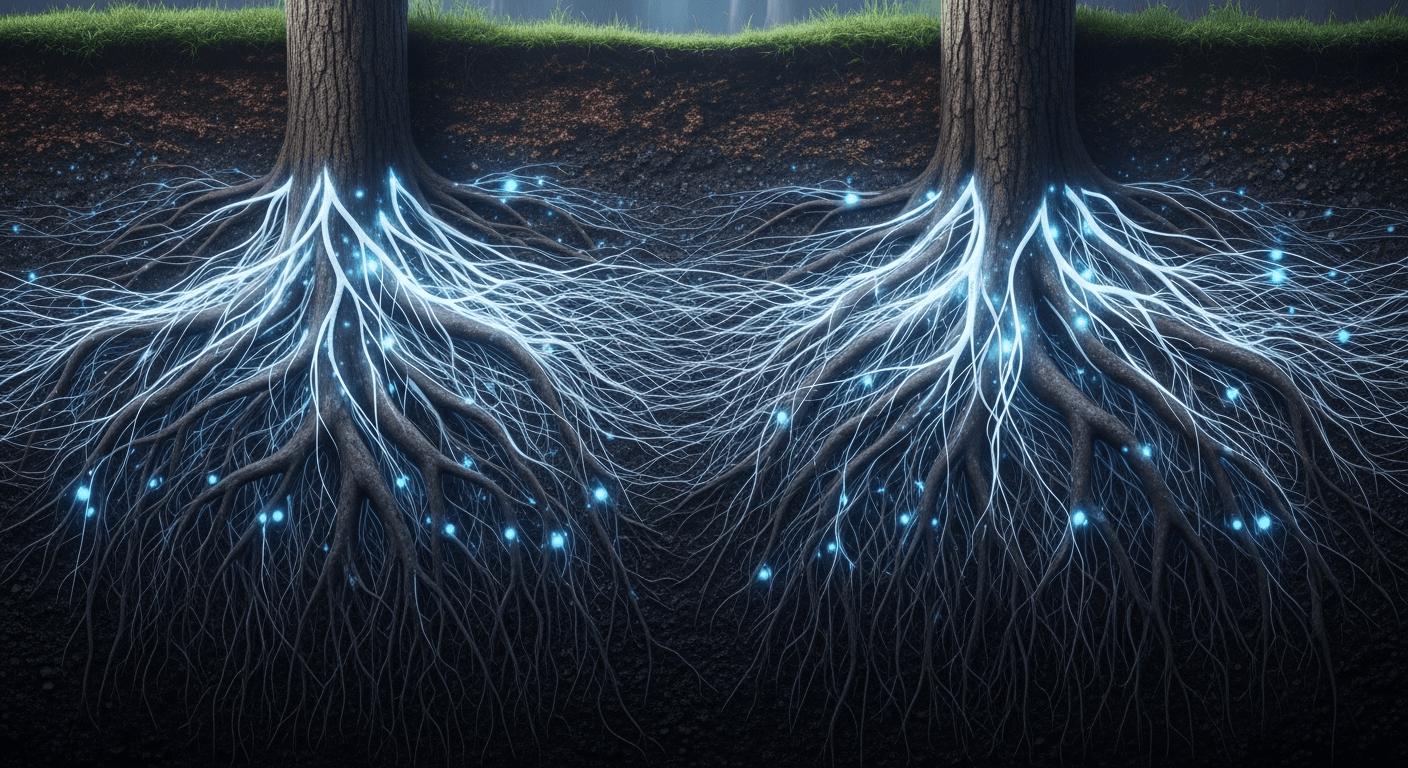
The Underground Network Nobody Told You About
There is a network running under every forest you have ever walked through. You cannot see it. You cannot hear it. But it is moving carbon, water, nitrogen, and chemical signals between trees right now, while you are reading this. It is not the internet. But it solves some of the same problems.
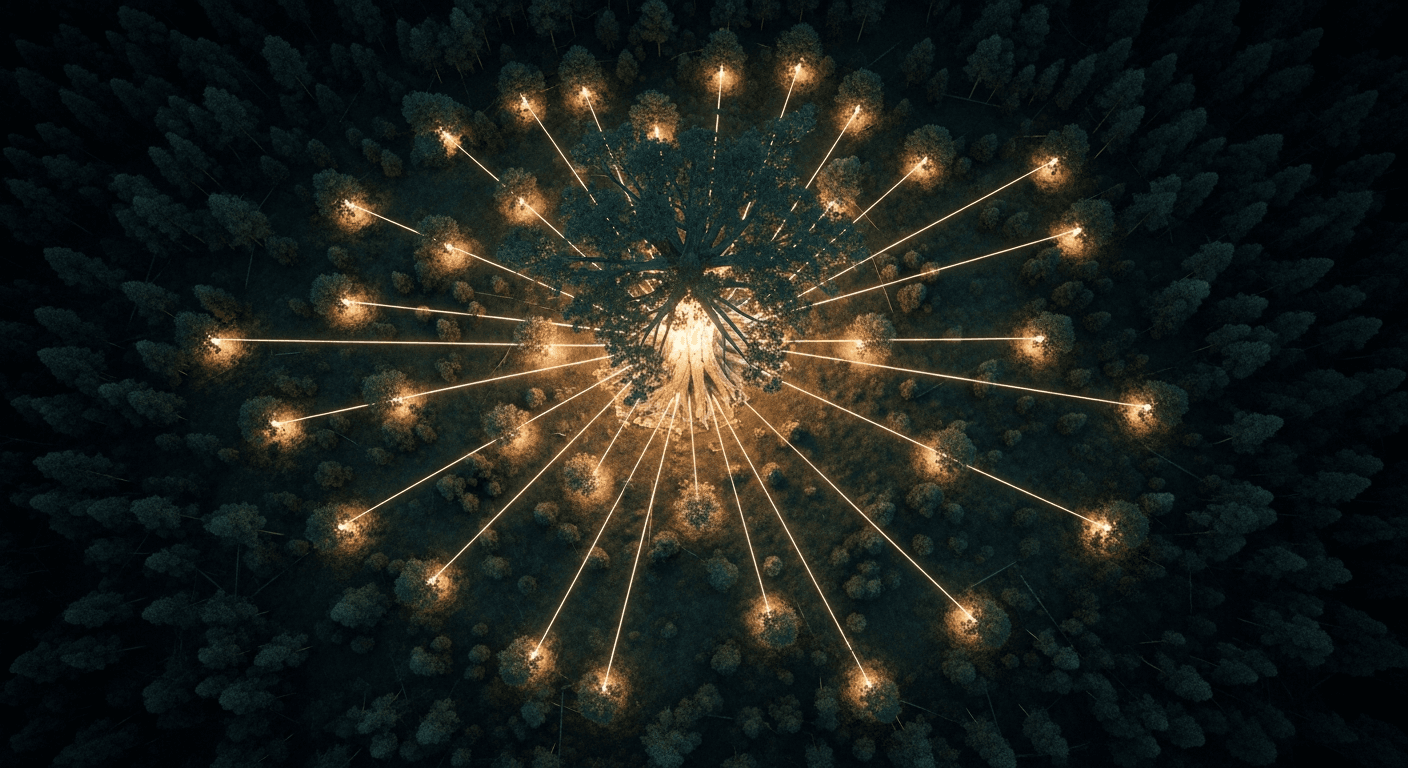
Suzanne and the Forest's Hidden Hubs
Suzanne Simard's 1997 experiment changed how ecologists think about trees. Not because forests are sharing economies. Because they have hubs.
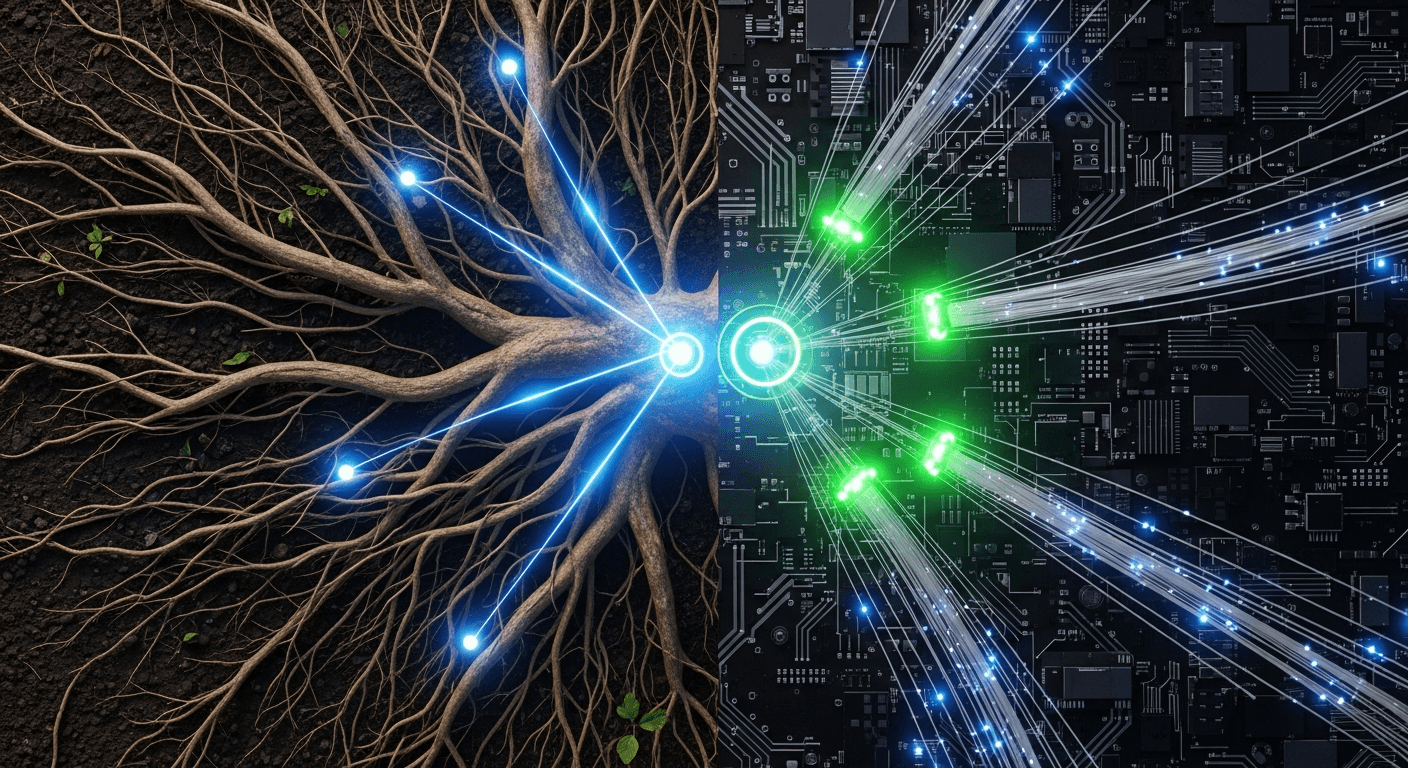
Why Forest Networks and the Internet Have the Same Shape
Nodes, edges, hubs, redundancy, adaptive routing. Both systems evolved the same architecture independently. That's not a metaphor. That's convergent engineering.
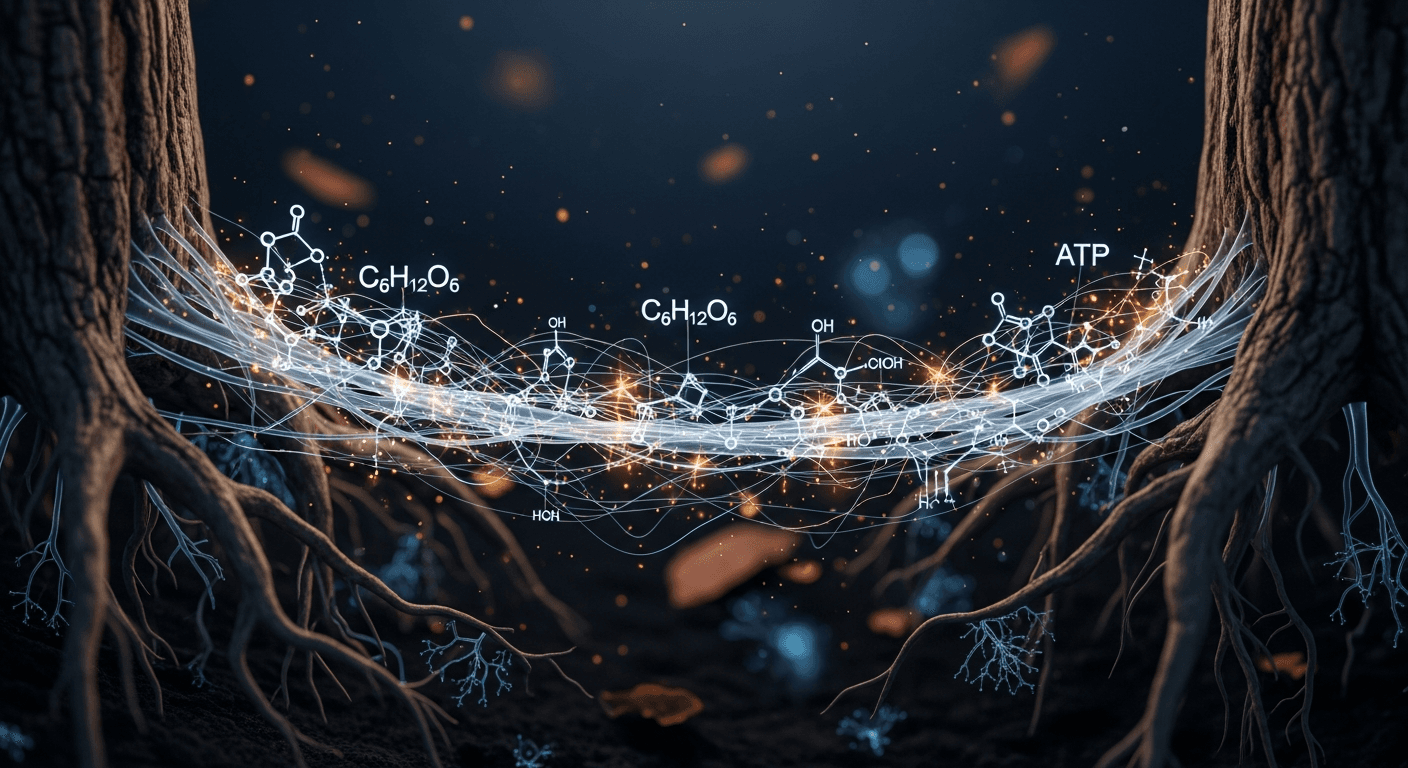
Trees Don't Actually Talk... Or Do They?
Plants exchange defense signals, carbon, and possibly electrical spikes through shared fungal networks. It's not language. But it's not nothing either.

Different Species, Same Network
Birch and Douglas-fir share the same fungal infrastructure despite being different species. The carbon flows between them like load balancing, not charity.
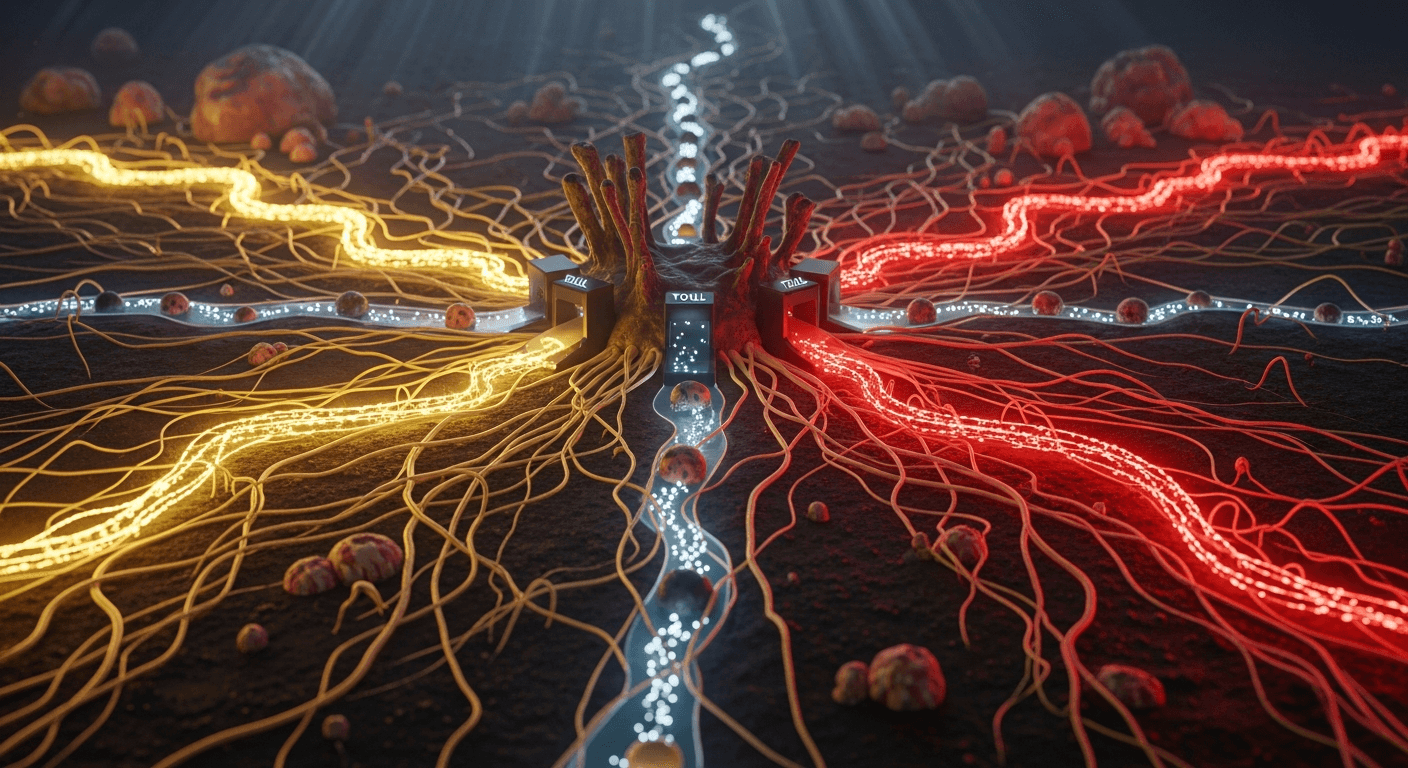
A Marketplace - Not a Charity, The Reality of Nature
The wood wide web story got away from the science. Forests have cooperation and competition. Fungi are economic actors. Kin effects are real but small. Here's what the data actually says.

The Network That Predates Trees
Mycorrhizal symbiosis is 400 million years old. It may have helped plants colonize land in the first place. Humans built something similar in about 50 years.
Is a Forest Smart? It Depends What You Mean by Smart.
Forests sense, adapt, and produce coordinated behavior without a central brain. That's not consciousness. But it might be a form of distributed computation worth taking seriously.
Science Caught Up to Something Many Cultures Already Knew
Western ecology is excited about forest networks. Many Indigenous knowledge systems never needed the metaphor. They've been describing relational ecology for a long time.
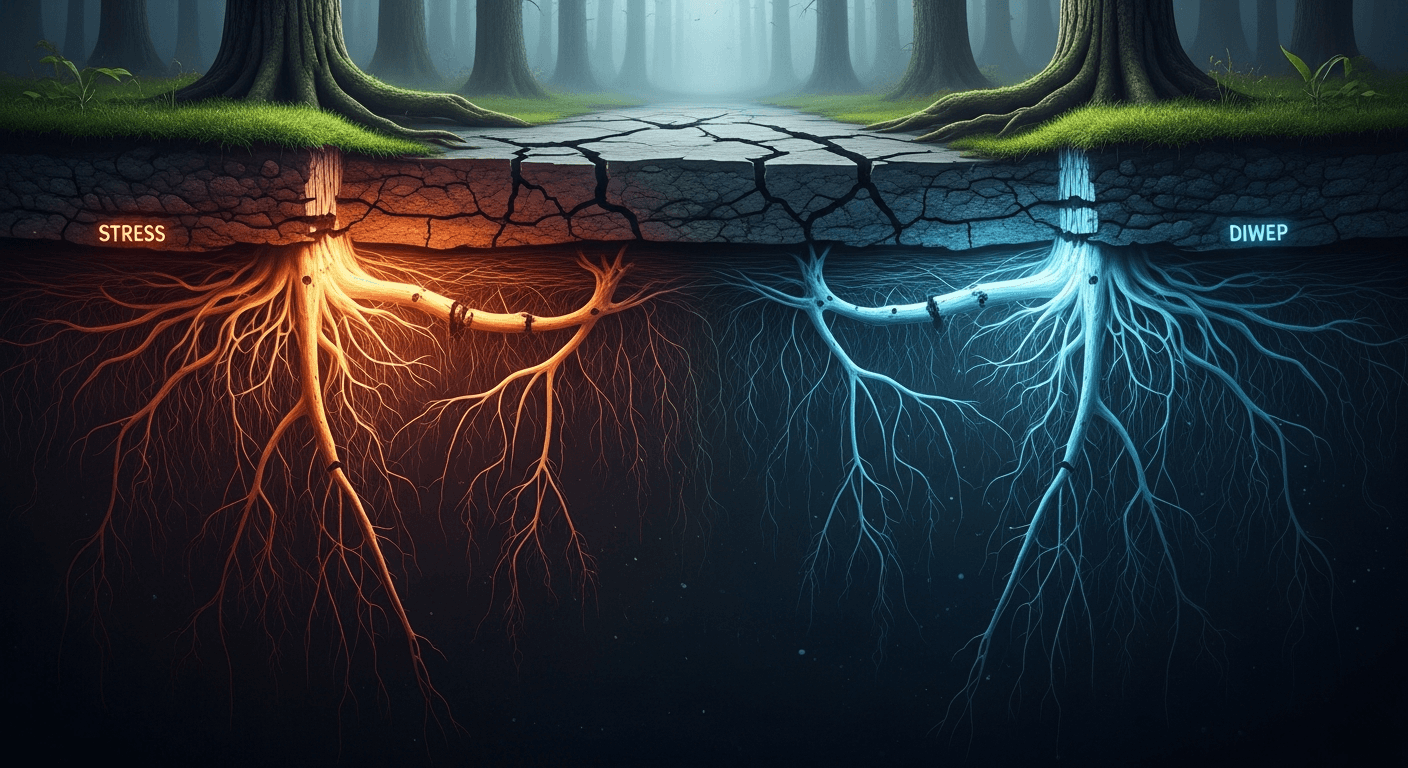
Climate Change Has a Target Underground
Mycorrhizal networks are infrastructure. Climate change is stressing them in four distinct ways. The consequences reach all the way to how forests store carbon.
Someone Is Building Computers out of Mushrooms
Researchers are using living fungal networks as sensing and computing substrates. They've already steered robots with mycelium. Here's what the frontier actually looks like.
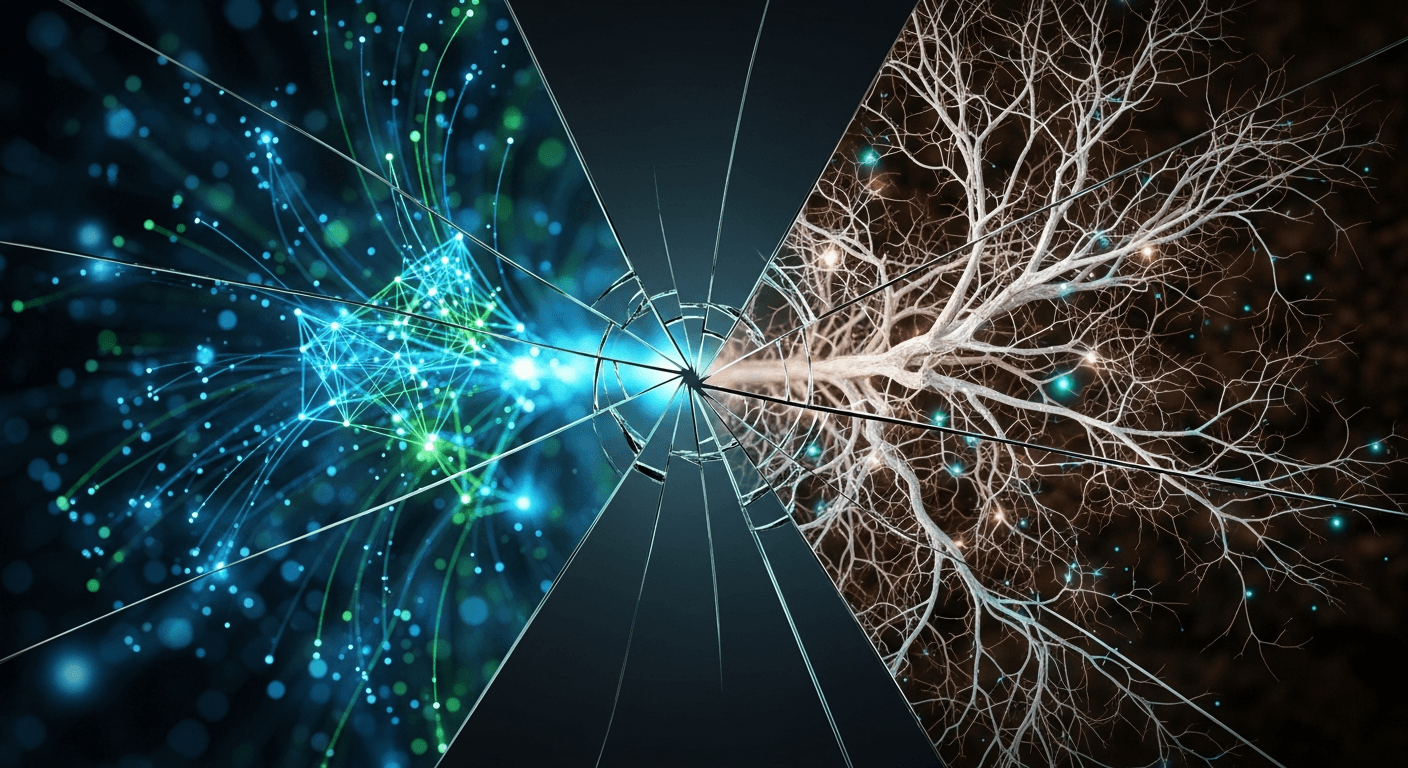
Where the Wood Wide Web Analogy Holds and Where It Falls Apart
The forest-as-internet comparison is useful and overused. Here's a precise breakdown of which parts are accurate, which are misleading, and what the comparison actually adds.