Articles
Articles
What I'm learning about tech and AI, business, philosophy, psychology, and health.
121 articles · Page 3 of 7
Article list
You've Never Used Your Full Memory
The world's top memory athletes have ordinary brains. A Radboud University study trained regular people to near-elite recall in 40 days using a 2,500-year-old technique almost nobody uses.
Nostalgia Isn't Sentimental. It's Medicine.
Nostalgia was once classified as a disease. Swiss soldiers were discharged for it. Now research shows it boosts optimism, reduces anxiety, and gives your brain a reason to keep going.
Without Memory, There Is No You
Clive Wearing lives in 30-second loops. He can't remember his past or form new memories. But he still plays piano. He still loves his wife. What does that say about who we really are?
What's Actually In Your Bread
Since 1998, every slice of enriched bread in America contains synthetic folic acid. The policy saved thousands of babies. It also created a problem nobody talks about.
Your Body is Contaminated by the Vitamin In Your Bread
Folic acid and folate get used interchangeably. They're not the same chemical. Your body knows the difference even if your doctor doesn't.
The Gene 60% of Americans Carry (That Most Doctors Ignore)
MTHFR variants reduce your ability to convert folic acid into usable folate. Up to 60% of the population has one. Most have never been tested.
Your Body Believes Every Word You Say
Peer-reviewed research shows thoughts produce measurable physical changes, from muscle strength to hormone levels to gene expression.
Twenty Thousand Neurons That Run Your Life
In 1972, two labs independently destroyed a tiny brain region in rats and wiped out their sense of time. That region contains 0.00002% of your neurons. It controls everything.
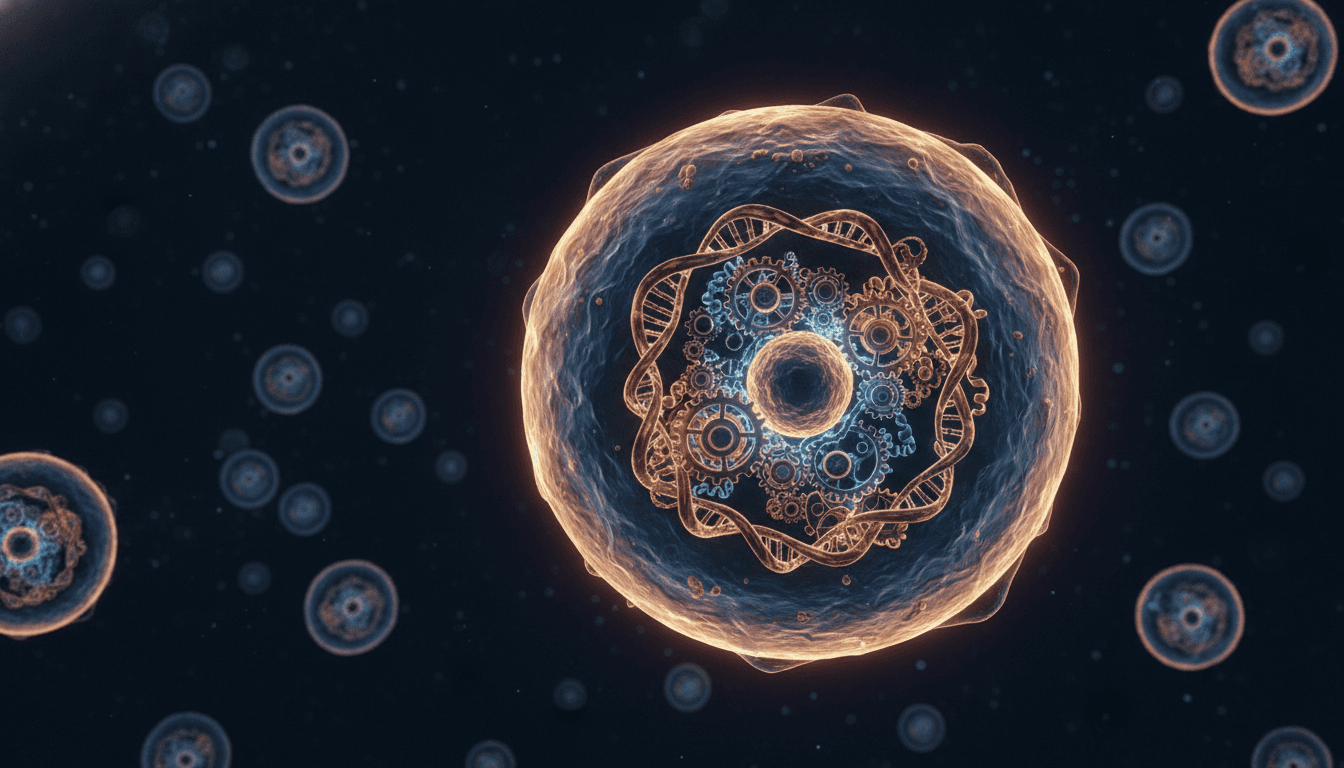
The Molecular Gears: How a Single Cell Keeps Time
Three scientists won a Nobel Prize for figuring out how cells tell time. The answer is a feedback loop so elegant it runs in nearly every cell in your body.
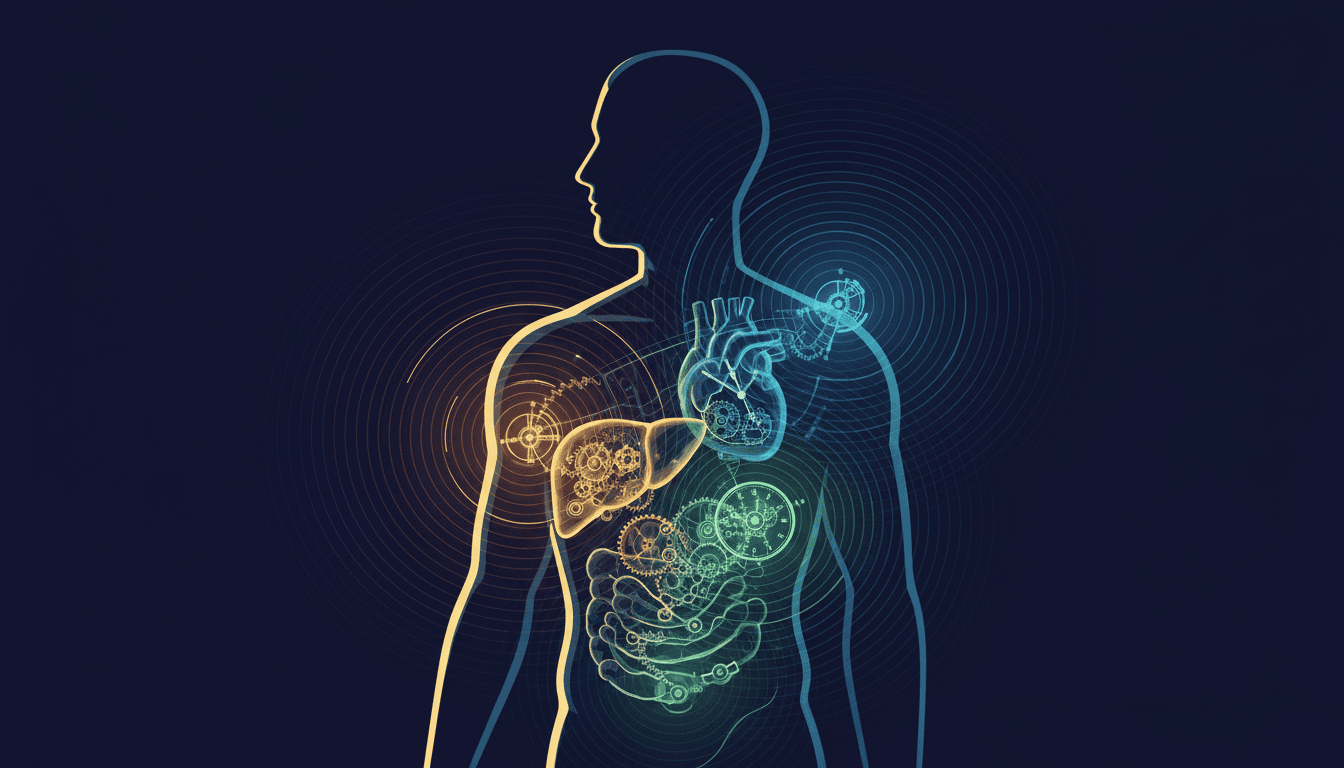
Your Liver Doesn't Know What Time Zone You're In
Every organ in your body keeps its own time. When those clocks disagree, the consequences go far beyond feeling tired.
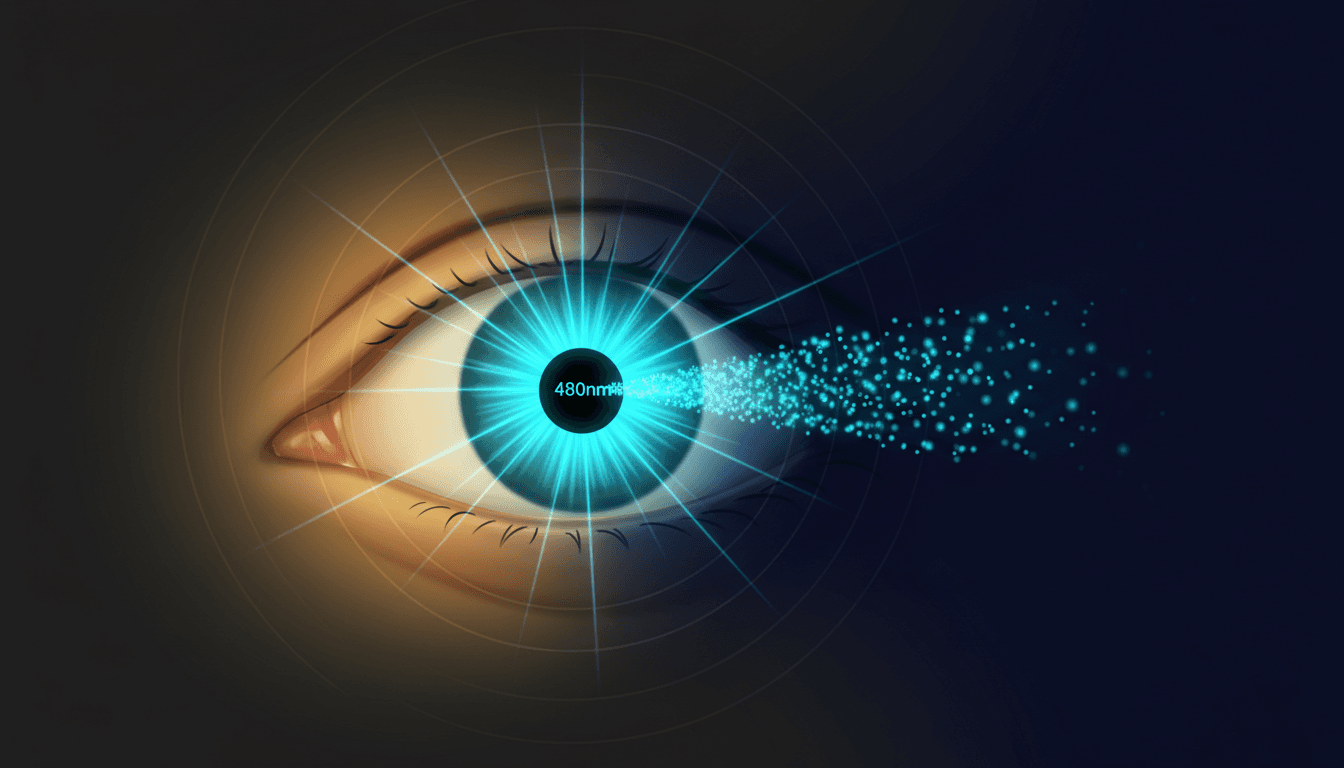
Light Is a Drug You Take Through Your Eyes
In 2002, scientists discovered a hidden photoreceptor that doesn't help you see. It tells your body what time it is. You're dosing it wrong every single day.
The Night Shift Problem: When Work Breaks the Clock
The WHO classified night shift work as a probable carcinogen in 2007. The science behind that decision is worse than you think.
Your Alarm Clock Is Giving You Jet Lag
The gap between when your body wants to sleep and when your alarm goes off creates a chronic form of jet lag. Most people have it. Almost nobody knows.
When You Eat Matters More Than What You Eat
Two groups of mice ate the exact same high-fat diet. Same calories. The only difference was timing. After 18 weeks, the time-restricted group weighed 28% less.
Your Chronotype Isn't a Choice: You're Being Punished for Your Genetics
Whether you're a morning person or night owl is written into your DNA. Society treats one as virtuous and the other as lazy. The science says that's discrimination.
Your Broken Clock Is Breaking Your Mind
The link between circadian disruption and mental illness is one of the strongest findings in modern psychiatry. Depression, bipolar disorder, even schizophrenia. Your body clock isn't just involved. It might be the mechanism.
Same Drug, Different Clock
Chronotherapy has shown that identical treatments produce wildly different outcomes depending on when they're administered. The future of medicine isn't just what you take. It's when.